Blog

Your roof is one of the most important investments you’ll make as a homeowner. In Texas, it protects your family from intense summer heat, hailstorms, strong winds, and heavy rain. Choosing the right roofing material can make a significant difference in your home’s durability, energy efficiency, and long-term value.

That’s why asphalt shingles remain the most popular roofing material in Texas.

Whether you’re replacing an aging roof, repairing storm damage, or building a new home, understanding how asphalt shingles perform in North Texas can help you make a smarter investment.

At FIT Roofing & Construction, we help homeowners across Dallas, Fort Worth, Plano, Frisco, McKinney, Allen, Prosper, Celina, Denton, and surrounding communities choose roofing systems designed to withstand Texas weather while enhancing curb appeal.

In this guide, we’ll explain everything you need to know about asphalt shingle roofs in Texas, including costs, lifespan, common storm damage, maintenance, and when it’s time for a replacement.


Why Asphalt Shingles Are the Most Popular Roofing Material in Texas

Asphalt shingles account for the majority of residential roofs throughout Texas—and for good reason.

They offer an excellent balance of affordability, durability, and style while performing well in the state’s challenging climate.

Modern asphalt shingles are engineered to resist:

  • High winds
  • Heavy rain
  • UV exposure
  • Hail impacts
  • Temperature fluctuations

They’re also available in a wide range of colors and architectural styles, making it easy to complement your home’s exterior.

For homeowners looking for reliable performance without the higher cost of premium roofing materials like slate or metal, asphalt shingles remain an outstanding choice.


Types of Asphalt Shingles

Not all shingles are created equal. Choosing the right type depends on your budget, aesthetic preferences, and long-term goals.

3-Tab Shingles

Three-tab shingles are the most economical option. They provide reliable protection but generally have a shorter lifespan and lower wind resistance than newer architectural shingles.

Best for:

  • Budget-conscious homeowners
  • Rental properties
  • Basic roof replacements

Architectural Shingles

Architectural shingles, also known as dimensional shingles, are the most popular choice for Texas homes.

They feature multiple layers that create a thicker, more attractive appearance while offering greater durability and improved resistance to wind and hail.

Benefits include:

  • Enhanced curb appeal
  • Longer lifespan
  • Better weather protection
  • Higher resale value

Premium Designer Shingles

Designer shingles replicate the appearance of slate, cedar shake, or tile while providing the benefits of asphalt roofing.

They’re ideal for luxury homes looking to achieve a distinctive architectural style without the maintenance requirements of natural materials.


How Long Do Asphalt Shingle Roofs Last in Texas?

The lifespan of your roof depends on several factors, including material quality, installation, ventilation, and weather exposure.

In Texas, homeowners can generally expect:

Shingle TypeAverage Lifespan
3-Tab Shingles15–20 years
Architectural Shingles25–30 years
Premium Designer Shingles30–40 years

North Texas weather—including hailstorms, intense UV exposure, and strong winds—can shorten the lifespan of a roof if it’s not properly maintained.

Routine inspections after severe weather help identify minor issues before they become costly repairs.


How Texas Weather Affects Asphalt Shingle Roofs

Texas weather is one of the biggest challenges for any roofing system.

Extreme Heat

Long summers and intense UV exposure gradually break down roofing materials, causing shingles to become brittle over time.

Hailstorms

North Texas experiences some of the highest rates of hail damage in the country. Even if shingles don’t show obvious damage from the ground, hail can bruise or fracture them, reducing their lifespan.

High Winds

Strong wind events can lift, crack, or completely remove shingles, leaving your roof vulnerable to water intrusion.

Heavy Rain

Damaged shingles or flashing allow water to penetrate beneath the roofing system, increasing the risk of leaks, mold, and structural damage.


Signs Your Asphalt Shingle Roof Needs Attention

Not every roof requires a complete replacement. However, certain warning signs indicate it’s time to schedule a professional inspection.

Watch for:

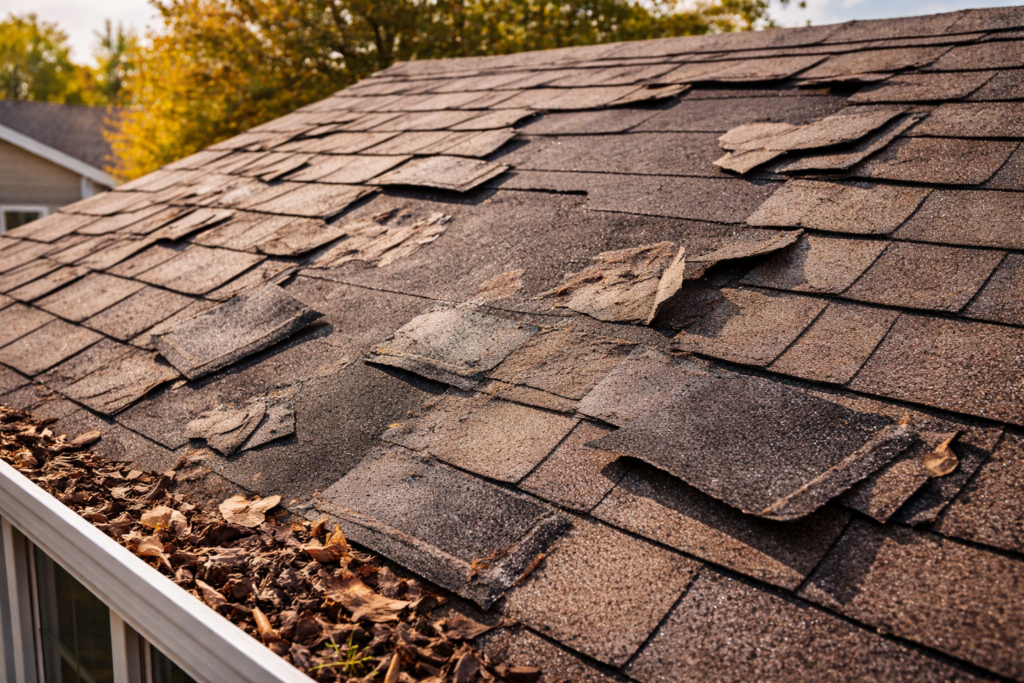
  • Missing shingles
  • Curling or buckling shingles
  • Cracked shingles
  • Granules collecting in gutters
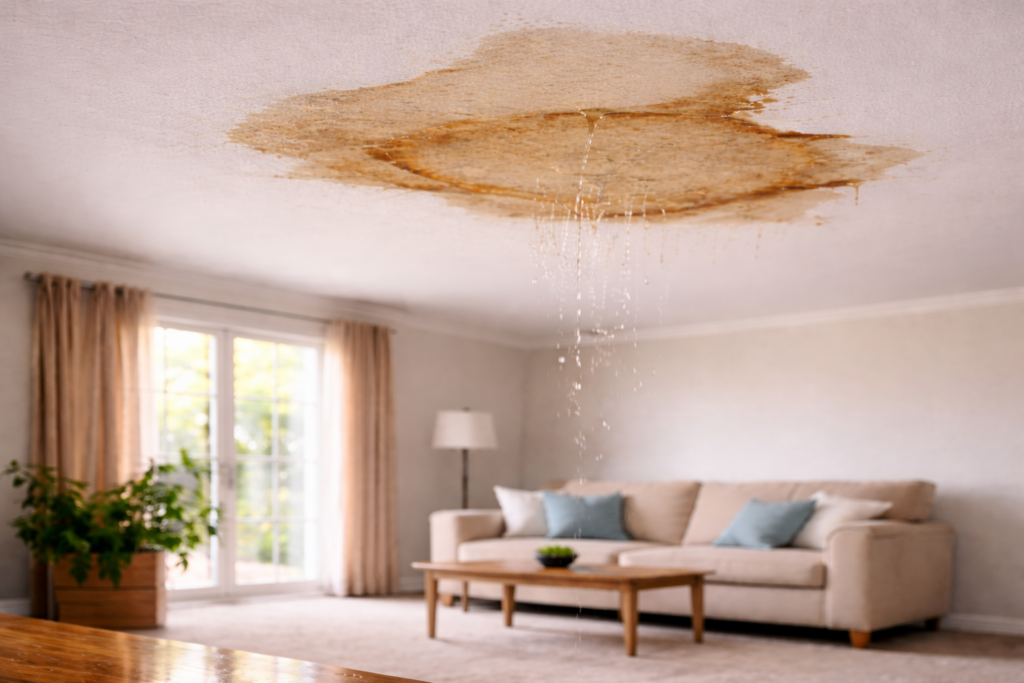
  • Water stains on ceilings
  • Sagging roof sections
  • Moss or algae growth
  • Roof leaks after storms

If you notice any of these issues, having your roof inspected promptly can help prevent more extensive damage.


How Much Does an Asphalt Shingle Roof Cost in Texas?

Roof replacement costs vary depending on the size of your home, the type of shingles selected, roof complexity, and any repairs required beneath the existing roofing system.

While every project is unique, investing in a quality roof installed by experienced professionals provides long-term value through improved durability, energy efficiency, and protection.

The best way to receive an accurate estimate is through a professional roof inspection.


Roof Maintenance Tips for Texas Homeowners

Regular maintenance can significantly extend the life of your asphalt shingle roof.

We recommend:

  • Scheduling annual roof inspections
  • Inspecting your roof after hailstorms and high winds
  • Keeping gutters clean
  • Trimming overhanging tree branches
  • Addressing minor repairs promptly
  • Monitoring attic ventilation to reduce heat buildup

Preventive maintenance is often far less expensive than emergency repairs.


Why Choose FIT Roofing & Construction?

At FIT Roofing & Construction, we believe every homeowner deserves honest advice, exceptional craftsmanship, and a roofing system built to last.

Our team proudly serves homeowners throughout the Dallas–Fort Worth Metroplex with:

  • Roof inspections
  • Roof repairs
  • Roof replacements
  • Storm damage restoration
  • Insurance claim assistance
  • Gutter installation
  • Residential roofing
  • Commercial roofing

Every project is completed using quality materials and backed by our commitment to Foundation, Integrity, and Trust.


Frequently Asked Questions

Are architectural shingles worth the extra cost?

Yes. Architectural shingles generally last longer, provide better wind resistance, and improve curb appeal compared to traditional 3-tab shingles.

How often should I have my roof inspected?

We recommend at least once a year and after any major hailstorm or wind event.

Can hail damage shingles without causing leaks?

Yes. Hail can weaken shingles and reduce their lifespan even if leaks aren’t immediately visible.

How do I know if I need a roof repair or replacement?

A professional inspection is the best way to determine whether repairs are sufficient or if a full replacement is the most cost-effective solution.


Protect Your Home with a Roof Built for Texas

Whether your roof has reached the end of its lifespan or you’ve recently experienced storm damage, FIT Roofing & Construction is here to help.

Our experienced team provides thorough roof inspections, honest recommendations, and high-quality roofing solutions tailored to Texas homeowners.

Schedule your free roof inspection today and discover why homeowners across Dallas–Fort Worth trust FIT Roofing & Construction for roofing done right.

Your roof is one of the most important parts of your home, especially in Texas where roofing systems face intense heat, hailstorms, heavy rain, and strong winds throughout the year. Over time, every roof experiences wear and damage, leaving homeowners with an important question: should you repair the roof or replace it completely?

Choosing between roof repair and roof replacement can feel overwhelming. While repairs may seem like the cheaper option, repeated fixes on an aging roof can eventually cost more than a full replacement. On the other hand, replacing a roof too early may not always be necessary.

At F.I.T. Roofing & Construction, we help Texas homeowners make informed roofing decisions based on the condition of the roof, long-term costs, and overall home protection. Here’s how to determine whether roof repair or roof replacement is the best solution for your Texas home.


Understanding the Difference Between Roof Repair and Roof Replacement

Before deciding which option is best, it’s important to understand the difference between the two services.

Roof Repair

Roof repair focuses on fixing specific damaged areas without replacing the entire roofing system.

Common repairs include:

  • Replacing missing shingles
  • Fixing leaks
  • Repairing flashing
  • Sealing roof penetrations
  • Addressing minor storm damage

Repairs are usually recommended when the damage is isolated and the roof still has significant remaining lifespan.

Roof Replacement

Roof replacement involves removing the existing roofing system and installing a completely new roof.

This process may include:

  • Removing old shingles
  • Replacing damaged decking
  • Installing new underlayment
  • Adding new flashing and ventilation
  • Installing new roofing materials

Replacement is often necessary when the roof has widespread damage, advanced aging, or repeated repair issues.


When Roof Repair Is the Better Option

In many cases, repairing a roof is the most practical and cost-effective solution.

Minor or Isolated Damage

If the damage is limited to one area, repairs may be enough to restore the roof’s performance.

Examples include:

  • A few missing shingles
  • Small leaks
  • Minor flashing damage
  • Localized storm damage

Addressing small problems early can prevent larger repairs later.

The Roof Is Relatively New

If your roof is still fairly new and in otherwise good condition, repairing isolated issues usually makes more financial sense than replacing the entire system.

Modern roofing systems often last:

  • 15–25 years for asphalt shingles
  • 40+ years for metal roofing

A newer roof with minor damage can often be repaired successfully.

Budget Considerations

Roof repairs typically cost less upfront than a full replacement. For homeowners dealing with limited damage, repairs may provide an affordable short-term solution.

However, it’s important to consider long-term costs if repairs become frequent.


When Roof Replacement Is the Better Option

Sometimes repairs are no longer enough to keep the roof safe and reliable.

Widespread Roof Damage

If large sections of the roof are damaged, replacing the roof may be more cost-effective than repeated repairs.

Common examples include:

  • Severe hail damage
  • Extensive wind damage
  • Multiple leaks
  • Structural deterioration

Widespread damage often weakens the roofing system beyond what simple repairs can solve.

An Aging Roof

Older roofs naturally deteriorate over time, especially in Texas where extreme heat accelerates wear.

Signs of an aging roof include:

  • Curling shingles
  • Granule loss
  • Frequent leaks
  • Cracked materials
  • Sagging areas

If your roof is approaching the end of its lifespan, replacement is usually the better long-term investment.

Repeated Repair Costs

Some homeowners continue repairing an aging roof year after year, only to face ongoing leaks and mounting expenses.

If repair costs continue increasing, a replacement may actually save money long-term by:

  • Reducing future repairs
  • Improving durability
  • Increasing energy efficiency

Structural Problems

If water damage has affected the roof decking or structural supports, replacement may be necessary to restore safety and stability.

Structural issues should never be ignored because they can worsen quickly during Texas storms.


How Texas Weather Impacts Roofing Decisions

Texas weather plays a major role in determining whether repair or replacement is the best choice.

Hailstorms

Hail can create hidden damage beneath shingles that weakens the roofing system over time.

After severe hailstorms, professional inspections are important for determining whether:

  • Repairs are sufficient
  • The roof has widespread damage
  • Insurance may cover replacement

Extreme Heat

Texas heat causes roofing materials to expand and contract repeatedly, accelerating wear and aging.

Older roofs exposed to years of UV radiation may no longer provide reliable protection even if repairs are made.

Strong Winds and Heavy Rain

Storms can loosen shingles, damage flashing, and expose weak areas of the roof.

If multiple storm events have affected the roof over several years, replacement may provide better long-term protection.


Cost Comparison: Repair vs Replacement

One of the biggest factors homeowners consider is cost.

Roof Repair Costs

Repair costs vary depending on:

  • Damage severity
  • Roofing material
  • Accessibility
  • Labor requirements

Minor repairs are generally much more affordable than replacement.

Roof Replacement Costs

Replacement costs depend on:

  • Roof size
  • Material selection
  • Structural repairs
  • Roof complexity
  • Ventilation upgrades

While replacement requires a larger investment upfront, it often eliminates ongoing repair expenses and provides long-term value.


Energy Efficiency Benefits of a New Roof

A roof replacement can improve your home’s energy efficiency significantly.

Modern roofing systems offer:

  • Better ventilation
  • Improved insulation support
  • Heat-reflective materials
  • Reduced attic temperatures

In Texas, this can lead to lower cooling costs during hot summer months.


Can Insurance Help Cover Costs?

In many cases, Texas homeowners insurance may help cover roofing costs if the damage resulted from:

  • Hailstorms
  • Wind damage
  • Falling debris
  • Severe weather events

Insurance companies may cover:

  • Repairs
  • Full roof replacement
  • Storm-related restoration

A professional roofing contractor can assist with inspections, documentation, and insurance claim support.


The Importance of a Professional Roof Inspection

The only reliable way to determine whether repair or replacement is best is through a professional inspection.

A roofing expert can evaluate:

  • Roof age
  • Storm damage
  • Structural integrity
  • Leak severity
  • Ventilation issues
  • Overall roof condition

At F.I.T. Roofing & Construction, we provide honest recommendations based on what truly benefits the homeowner long-term.


Why Texas Homeowners Trust F.I.T. Roofing & Construction

At F.I.T. Roofing & Construction, we understand the challenges Texas weather creates for residential roofing systems. Whether your home needs a simple repair or a full roof replacement, our experienced team provides quality workmanship and dependable service every step of the way.

We specialize in:

  • Roof inspections
  • Roof repairs
  • Roof replacements
  • Storm damage restoration
  • Gutter installation
  • Insurance claim assistance

Our goal is to deliver roofing solutions built to last while helping homeowners make confident and informed decisions.


Schedule Your Free Roof Inspection Today

If you’re unsure whether your roof needs repair or replacement, the best first step is a professional inspection.

Contact F.I.T. Roofing & Construction today to schedule your free roof inspection and discover the best roofing solution for your Texas home.

When homeowners think about protecting their homes, gutters are often overlooked. However, gutters play a critical role in defending Texas homes against water damage, foundation problems, roof leaks, and structural deterioration. In a state known for heavy rainstorms, strong winds, and unpredictable weather, a properly functioning gutter system is essential for long-term home protection.

Without effective gutters, rainwater can collect around the foundation, damage roofing materials, erode landscaping, and even enter the home itself. Many expensive home repairs begin with poor drainage and neglected gutter systems.

At F.I.T. Roofing & Construction, we help Texas homeowners protect their properties with durable, professionally installed gutter systems designed to handle harsh weather conditions. Here’s how gutters protect your home from water damage and why proper installation and maintenance matter.


Why Gutters Matter in Texas

Texas weather can change quickly. Severe storms often produce large amounts of rain in a short period of time, placing heavy stress on roofing and drainage systems.

Gutters are designed to:

  • Direct rainwater away from the home
  • Prevent roof leaks
  • Protect the foundation
  • Reduce soil erosion
  • Prevent siding damage
  • Minimize standing water

Without gutters, water falls directly from the roofline and can slowly damage multiple areas of the property.


Protecting Your Roof From Water Damage

One of the most important functions of gutters is protecting the roof itself.

Preventing Water Backup

When gutters are clogged or damaged, rainwater may back up onto the roof instead of draining properly. This standing water can seep beneath shingles and create leaks.

Water backup may lead to:

  • Rotting roof decking
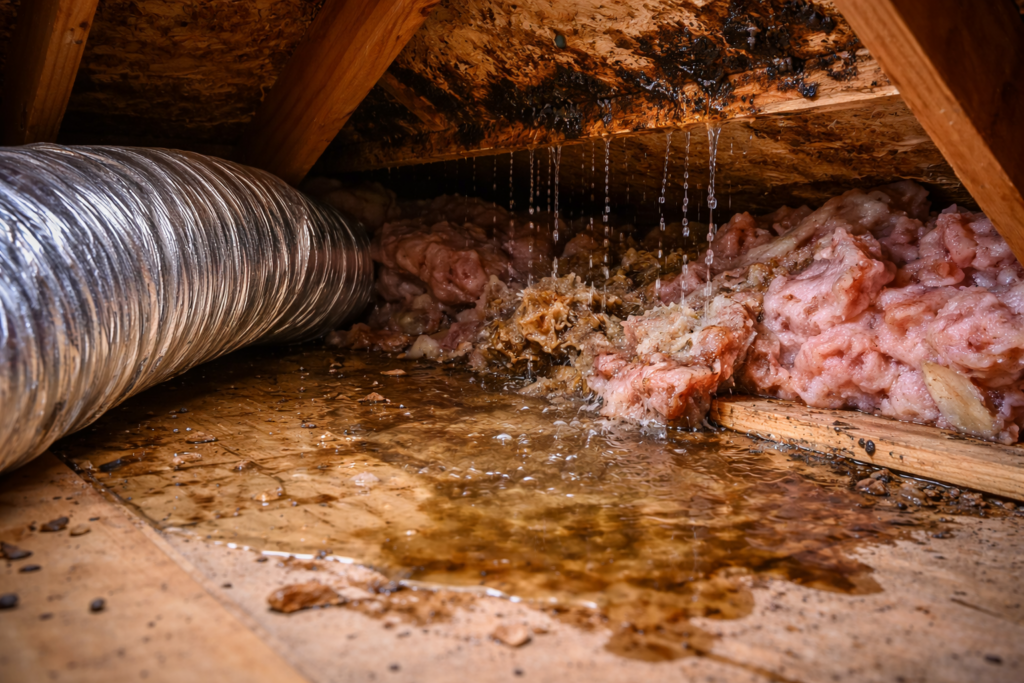
  • Mold growth
  • Damaged insulation
  • Interior ceiling stains
  • Structural deterioration

Properly functioning gutters help water flow safely off the roof and away from vulnerable areas.

Protecting Fascia and Soffits

Gutters also protect the fascia boards and soffits located along the roof edges.

Overflowing water can cause:

  • Wood rot
  • Paint damage
  • Mold growth
  • Pest issues

Routine gutter maintenance helps preserve these important roofing components.


Preventing Foundation Damage

Foundation damage is one of the most expensive problems homeowners can face, and poor drainage is a leading cause.

How Water Damages Foundations

Without gutters, rainwater collects around the base of the home. Over time, excessive moisture can:

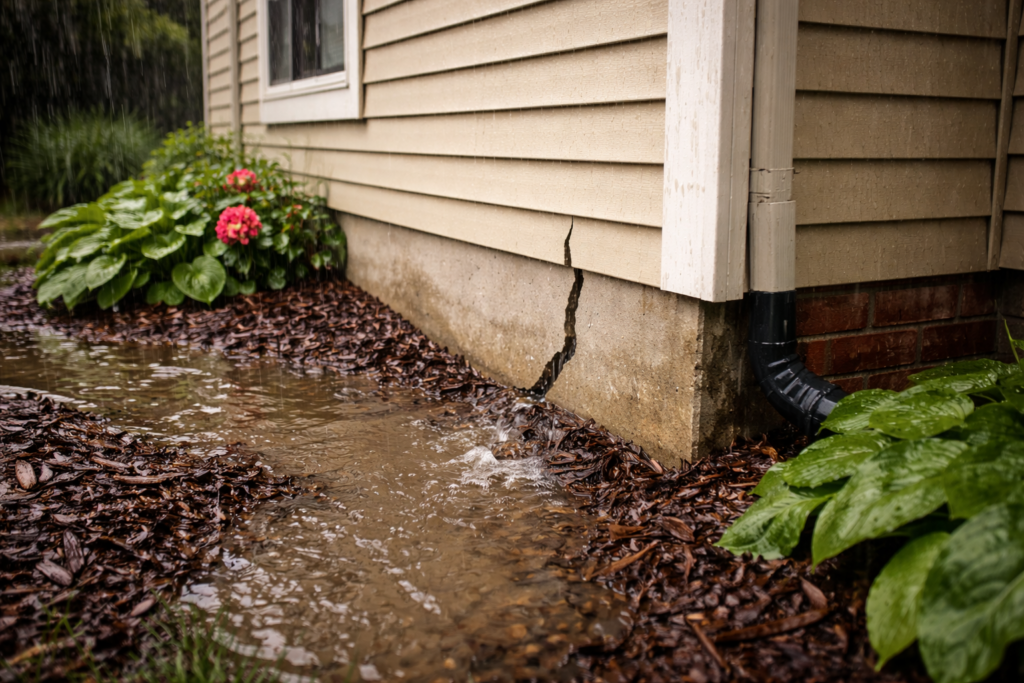
  • Shift soil beneath the foundation
  • Cause cracks in concrete
  • Lead to settling issues
  • Create basement or crawlspace moisture problems

Texas soil is especially vulnerable to expansion and contraction caused by changing moisture levels.

Importance of Proper Water Drainage

A well-designed gutter system directs water away from the home’s foundation, helping maintain stable soil conditions and reducing the risk of costly structural damage.


Preventing Soil Erosion and Landscape Damage

Heavy Texas rain can quickly erode landscaping if water is not controlled properly.

Without gutters, water pouring directly from the roof can:

  • Wash away mulch
  • Damage flower beds
  • Create trenches near the home
  • Kill plants and grass
  • Cause uneven soil erosion

Gutters help distribute water safely and protect the appearance of your property.


Reducing the Risk of Roof Leaks

Roof leaks are one of the most common issues caused by clogged or damaged gutters.

How Clogged Gutters Cause Leaks

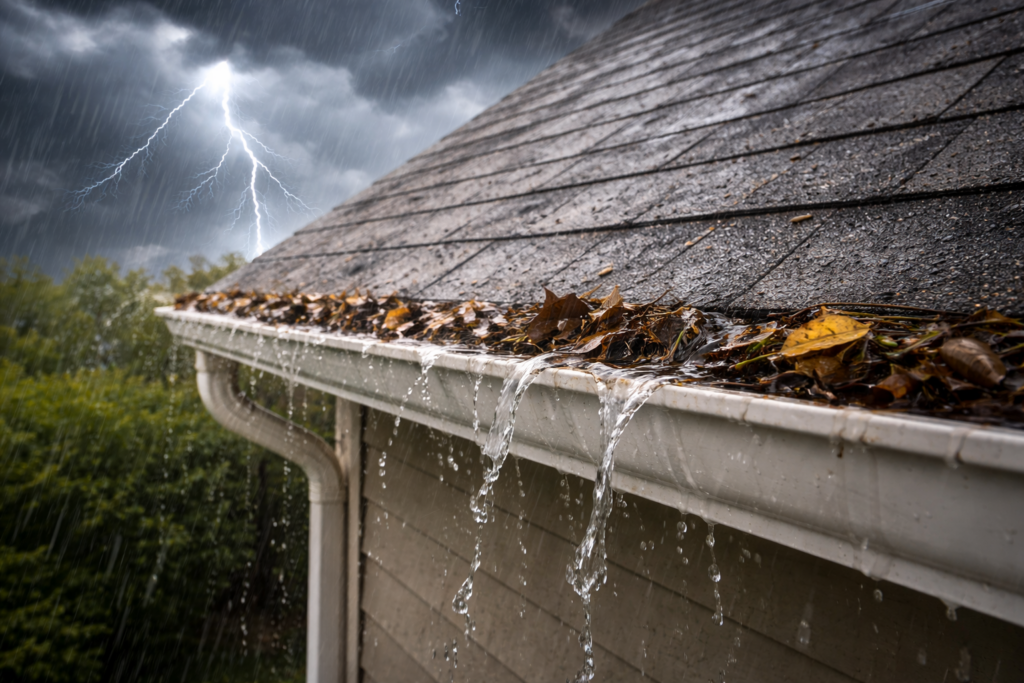
Leaves, debris, and dirt can block water flow, causing gutters to overflow during storms.

Overflowing water may:

  • Penetrate roofing materials
  • Damage flashing
  • Leak into the attic
  • Stain ceilings and walls

Texas storms can quickly overwhelm neglected gutters, increasing the risk of water intrusion.

Preventive Maintenance Matters

Routine gutter cleaning and inspections help ensure proper drainage during severe weather.


Protecting Exterior Siding and Paint

Rainwater overflowing from damaged gutters can run down exterior walls repeatedly.

Over time, this can cause:

  • Paint deterioration
  • Siding stains
  • Mold and mildew growth
  • Wood rot
  • Exterior structural damage

Properly installed gutters help protect the appearance and durability of your home’s exterior surfaces.


Preventing Mold and Moisture Problems

Excess moisture around the home creates ideal conditions for mold growth.

Poor drainage may lead to:

  • Mold inside walls
  • Mildew odors
  • Damp crawlspaces
  • Moisture-damaged insulation

Mold problems can affect both structural integrity and indoor air quality.

Gutters help reduce moisture buildup by directing water away from the property efficiently.


Seamless Gutters vs Traditional Gutters

Many Texas homeowners choose seamless gutters because they provide stronger performance and lower maintenance needs.

Benefits of Seamless Gutters

Seamless gutters offer:

  • Fewer leaks
  • Improved durability
  • Better appearance
  • Reduced debris buildup
  • Lower maintenance requirements

Because they have fewer joints, seamless systems are less likely to develop leaks over time.


Signs Your Gutters Need Repair or Replacement

Gutters should be inspected regularly for signs of wear and damage.

Common warning signs include:

  • Overflowing water
  • Sagging gutters
  • Visible cracks
  • Rust or corrosion
  • Water pooling near the foundation
  • Peeling exterior paint
  • Detached gutter sections

Addressing gutter problems early helps prevent larger water-related repairs later.


How Often Should Gutters Be Cleaned?

Texas homeowners should clean gutters:

  • At least twice per year
  • After major storms
  • During fall leaf buildup
  • Whenever drainage problems appear

Homes surrounded by trees may require more frequent cleaning to prevent clogs.

Routine maintenance helps gutters perform effectively during heavy rainstorms.


The Importance of Professional Gutter Installation

Proper installation is critical for long-term gutter performance.

Incorrectly installed gutters may:

  • Drain improperly
  • Pull away from the roof
  • Overflow during storms
  • Cause foundation problems

Professional installers ensure gutters are:

  • Properly sloped
  • Securely attached
  • Sized correctly for rainfall volume
  • Positioned for optimal drainage

At F.I.T. Roofing & Construction, we install durable gutter systems designed specifically for Texas weather conditions.


Why Texas Homeowners Trust F.I.T. Roofing & Construction

At F.I.T. Roofing & Construction, we understand how important proper drainage is for protecting Texas homes from water damage. Our experienced team provides high-quality gutter installation and roofing services built for long-term durability and performance.

We specialize in:

  • Gutter installation
  • Seamless gutter systems
  • Roof inspections
  • Roof repairs
  • Storm restoration
  • Preventive home protection solutions

Our commitment to quality craftsmanship and reliable service helps homeowners protect their properties year-round.


Schedule Your Free Inspection Today

Don’t let poor drainage lead to expensive water damage. A professionally installed gutter system can protect your roof, foundation, landscaping, and entire home from Texas storms and heavy rainfall.

Contact F.I.T. Roofing & Construction today to schedule your free inspection and learn how quality gutters can protect your Texas home for years to come.

Texas weather is tough on roofs. Between intense summer heat, powerful thunderstorms, hail, strong winds, and heavy rain, roofing systems across the state face constant exposure to extreme conditions. Over time, even high-quality roofs can develop problems that compromise the safety, durability, and efficiency of a home.

Many homeowners don’t notice roofing issues until leaks or visible damage appear, but by then, the problem may already be serious. Understanding the most common roofing problems caused by Texas storms and heat can help homeowners identify warning signs early and avoid costly repairs.

At F.I.T. Roofing & Construction, we help homeowners across Texas repair and protect their roofs from weather-related damage. Here are the most common roofing problems caused by Texas weather and what homeowners can do to prevent them.


Hail Damage to Shingles

Hailstorms are one of the leading causes of roof damage in Texas. Even small hailstones can weaken roofing materials, while larger hail can crack, bruise, or puncture shingles completely.

How Hail Damages Roofs

Hail impacts often:

  • Knock away protective granules
  • Crack asphalt shingles
  • Dent metal roofing
  • Damage flashing and vents
  • Expose underlying roofing layers

The damage may not always be obvious from the ground, but weakened shingles become more vulnerable to leaks and future storm damage.

Warning Signs of Hail Damage

Homeowners may notice:

  • Dark spots on shingles
  • Granules collecting in gutters
  • Dented gutters or flashing
  • Cracked roofing materials
  • Water stains indoors

Professional inspections after major hailstorms are important because hidden damage can worsen over time.


Roof Leaks and Water Intrusion

Roof leaks are one of the most common roofing issues in Texas homes. Heavy rainstorms combined with damaged roofing materials can allow water to enter the home quickly.

Common Causes of Roof Leaks

Leaks often develop because of:

  • Missing shingles
  • Damaged flashing
  • Cracked sealants
  • Clogged gutters
  • Storm-related roof damage

Once water enters the roofing system, it can spread into ceilings, walls, insulation, and structural framing.

Risks of Untreated Leaks

Ignoring roof leaks can lead to:

  • Mold growth
  • Rotting wood
  • Electrical damage
  • Interior ceiling damage
  • Structural weakening

Early detection and repairs help prevent larger and more expensive issues.


Wind Damage

Texas storms frequently bring high winds capable of damaging roofing systems in several ways.

How Wind Affects Roofs

Strong winds can:

  • Lift shingles
  • Loosen flashing
  • Tear off roofing materials
  • Expose roof decking
  • Damage gutters

Once roofing materials are loosened, water can easily penetrate beneath the roof during future storms.

Signs of Wind Damage

Watch for:

  • Missing shingles
  • Loose roofing materials
  • Debris on the roof
  • Bent flashing
  • Water stains after storms

Even moderate wind damage should be repaired quickly to prevent further deterioration.


UV and Heat Damage

Texas summers are extremely harsh on roofing systems. Constant sun exposure and high temperatures gradually break down roofing materials over time.

Effects of UV Exposure

The sun’s ultraviolet rays can cause:

  • Shingle fading
  • Cracking
  • Curling edges
  • Dry and brittle materials
  • Premature aging

Roofs in Texas often age faster than roofs in cooler climates because of prolonged heat exposure.

Thermal Expansion and Contraction

Roofing materials expand during the heat of the day and contract as temperatures cool at night.

Over time, this repeated movement can:

  • Loosen fasteners
  • Crack flashing seals
  • Create gaps around vents
  • Increase leak risks

Proper installation and quality materials are critical for handling Texas heat cycles.


Poor Roof Ventilation

Many roofing problems in Texas are made worse by poor attic ventilation.

Why Ventilation Matters

Without proper airflow, attic temperatures can rise dramatically during summer months.

Poor ventilation may lead to:

  • Excess heat buildup
  • Moisture accumulation
  • Mold growth
  • Higher energy bills
  • Premature roof aging

Ventilation problems can shorten the lifespan of roofing materials and increase strain on HVAC systems.

Signs of Poor Ventilation

Homeowners may notice:

  • Hot attic temperatures
  • Rising cooling costs
  • Uneven indoor temperatures
  • Moisture in the attic
  • Premature shingle deterioration

Improving ventilation helps protect both the roof and the home’s energy efficiency.


Damaged Flashing

Flashing is the metal material installed around chimneys, skylights, vents, and roof valleys to prevent water intrusion.

Common Flashing Problems

Texas weather can cause flashing to:

  • Crack
  • Rust
  • Separate from the roof
  • Loosen over time

When flashing fails, water can enter some of the most vulnerable areas of the roof.

Signs of Flashing Damage

Look for:

  • Water stains near ceilings
  • Loose metal pieces
  • Rusted flashing
  • Leaks near roof penetrations

Repairing damaged flashing quickly helps prevent widespread water damage.


Clogged Gutters and Drainage Issues

Texas storms often dump large amounts of rain in a short time. Gutters play a critical role in directing water away from the roof and foundation.

Problems Caused by Clogged Gutters

Blocked gutters can lead to:

  • Roof leaks
  • Overflowing water
  • Rotting fascia boards
  • Foundation damage
  • Mold growth

Leaves, debris, and granule buildup from shingles can prevent proper drainage.

Preventive Maintenance

Regular gutter cleaning and inspections help ensure water flows safely away from the home during storms.


Mold and Moisture Damage

Texas humidity combined with roof leaks or poor ventilation can create moisture problems inside the roofing system.

Risks of Moisture Buildup

Excess moisture can cause:

  • Mold growth
  • Wood rot
  • Insulation damage
  • Structural weakening
  • Indoor air quality issues

Moisture problems often begin in attics where ventilation is poor.

Routine inspections help identify moisture issues before major damage develops.


Aging Roofing Materials

Even the best roofing systems eventually wear out over time. Texas weather accelerates roof aging due to constant exposure to heat, storms, and UV radiation.

Signs of an Aging Roof

Older roofs may develop:

  • Curling shingles
  • Granule loss
  • Frequent leaks
  • Cracked materials
  • Sagging areas

If a roof is nearing the end of its lifespan, repairs may no longer be the most cost-effective solution.


How to Prevent Roofing Problems in Texas

While Texas weather cannot be controlled, homeowners can take steps to reduce roofing damage risks.

Preventive measures include:

  • Scheduling annual roof inspections
  • Repairing damage early
  • Cleaning gutters regularly
  • Improving attic ventilation
  • Trimming nearby tree branches
  • Using impact-resistant roofing materials

Proactive maintenance can significantly extend roof lifespan and reduce repair costs.


Why Texas Homeowners Trust F.I.T. Roofing & Construction

At F.I.T. Roofing & Construction, we understand the unique roofing challenges Texas homeowners face. Our experienced team provides high-quality roofing solutions designed to withstand Texas heat, storms, and severe weather conditions.

We specialize in:

  • Roof inspections
  • Roof repairs
  • Storm damage restoration
  • Roof replacements
  • Gutter installation
  • Preventive roofing maintenance

Our goal is to deliver reliable workmanship, honest service, and roofing systems built to last.


Schedule Your Free Roof Inspection Today

If your roof has been exposed to Texas storms, heat, or aging damage, now is the time to schedule a professional inspection before small problems become costly repairs.

Contact F.I.T. Roofing & Construction today to schedule your free roof inspection and protect your home from common Texas roofing problems.

Your roof protects everything beneath it. From intense summer heat and heavy rain to hailstorms and strong winds, Texas weather constantly puts roofing systems under pressure. While many homeowners only think about their roof when a leak appears, regular roof inspections are one of the most important ways to prevent expensive repairs and extend the lifespan of your home’s roofing system.

Small roofing problems often go unnoticed for months or even years. By the time visible damage appears inside the home, the issue may already be serious and costly to repair. Routine inspections help identify hidden problems early before they turn into major structural damage.

At F.I.T. Roofing & Construction, we help Texas homeowners protect their properties with professional roof inspections designed to catch issues before they worsen. Here’s why regular roof inspections matter and how they can save you time, money, and stress.


Texas Weather Is Tough on Roofs

Texas experiences some of the harshest weather conditions in the country. Roofing systems are exposed to:

  • Extreme heat
  • UV radiation
  • Hailstorms
  • Heavy rain
  • Strong winds
  • Sudden temperature changes

Over time, these conditions weaken roofing materials and increase the risk of leaks, structural damage, and premature roof failure.

Even a roof that appears fine from the ground may already have hidden storm damage or aging materials that require attention.


Small Problems Become Big Repairs

One of the biggest reasons regular roof inspections matter is because small roofing issues can quickly become expensive problems.

Minor damage such as:

  • Loose shingles
  • Small leaks
  • Cracked flashing
  • Damaged sealants
  • Clogged drainage systems

may seem insignificant at first, but Texas weather can rapidly worsen these conditions.

For example, a small leak during dry weather may become major water damage after a heavy storm. What could have been a simple repair may eventually require:

  • Interior repairs
  • Mold remediation
  • Decking replacement
  • Structural repairs
  • Full roof replacement

Routine inspections help identify and repair issues before they escalate.


Roof Inspections Help Detect Storm Damage

Many Texas storms cause damage that homeowners cannot easily see from the ground.

Hail and wind damage may include:

  • Bruised shingles
  • Missing granules
  • Lifted roofing materials
  • Cracked flashing
  • Hidden punctures

Even if there are no immediate leaks, storm damage can weaken the roofing system and shorten its lifespan.

Professional roof inspections after severe weather events help ensure hidden damage is identified early.


Prevent Water Damage Inside Your Home

Roof leaks are one of the most common causes of interior home damage.

Once water enters the roofing system, it can spread into:

  • Ceilings
  • Walls
  • Insulation
  • Electrical systems
  • Flooring
  • Structural framing

Water intrusion may also lead to mold growth, which can create health concerns and expensive cleanup costs.

Regular roof inspections help identify vulnerable areas before leaks develop.


Extend the Lifespan of Your Roof

A well-maintained roof lasts significantly longer than one that is neglected.

Routine inspections allow roofing professionals to:

  • Replace damaged shingles
  • Repair flashing issues
  • Improve drainage
  • Address ventilation problems
  • Prevent moisture buildup

These preventive measures help reduce long-term wear and extend roof lifespan.

In Texas, where roofs face intense environmental stress, proactive maintenance is especially important.


Improve Energy Efficiency

Your roof plays a major role in your home’s energy efficiency. Damaged roofing materials or poor attic ventilation can trap heat and force your HVAC system to work harder.

Common energy-related roofing issues include:

  • Poor ventilation
  • Damaged insulation
  • Heat buildup in the attic
  • Air leaks
  • Moisture accumulation

Regular inspections help identify areas where your roofing system may be reducing energy efficiency and increasing utility costs.


Maintain Manufacturer Warranties

Many roofing manufacturers require regular maintenance and inspections to keep warranties valid.

If a major roofing issue occurs and the roof has not been properly maintained, warranty coverage may be limited or denied.

Routine inspections provide documentation that:

  • The roof has been maintained properly
  • Damage was addressed promptly
  • Roofing materials were professionally evaluated

Keeping up with inspections helps protect your roofing investment long-term.


Increase Home Value and Curb Appeal

A roof in good condition improves both the appearance and value of your home.

If you plan to sell your property, buyers are far more confident purchasing a home with:

  • A professionally maintained roof
  • Inspection records
  • No visible roofing issues

A neglected roof can reduce buyer confidence and potentially lower property value.

Regular inspections help maintain your home’s overall condition and appearance.


Save Money Over Time

Some homeowners avoid inspections because they believe it saves money. In reality, preventive maintenance is almost always more affordable than emergency repairs.

Roof inspections can help homeowners avoid:

  • Large leak repairs
  • Structural damage
  • Mold remediation
  • Emergency storm restoration
  • Premature roof replacement

Addressing problems early usually costs far less than waiting until major damage occurs.


How Often Should Texas Homeowners Schedule Roof Inspections?

Because of Texas weather conditions, homeowners should schedule roof inspections:

  • At least once per year
  • After major hailstorms
  • After severe wind events
  • Before storm season
  • Before buying or selling a home

Older roofs may require more frequent inspections to monitor wear and aging.


What Happens During a Professional Roof Inspection?

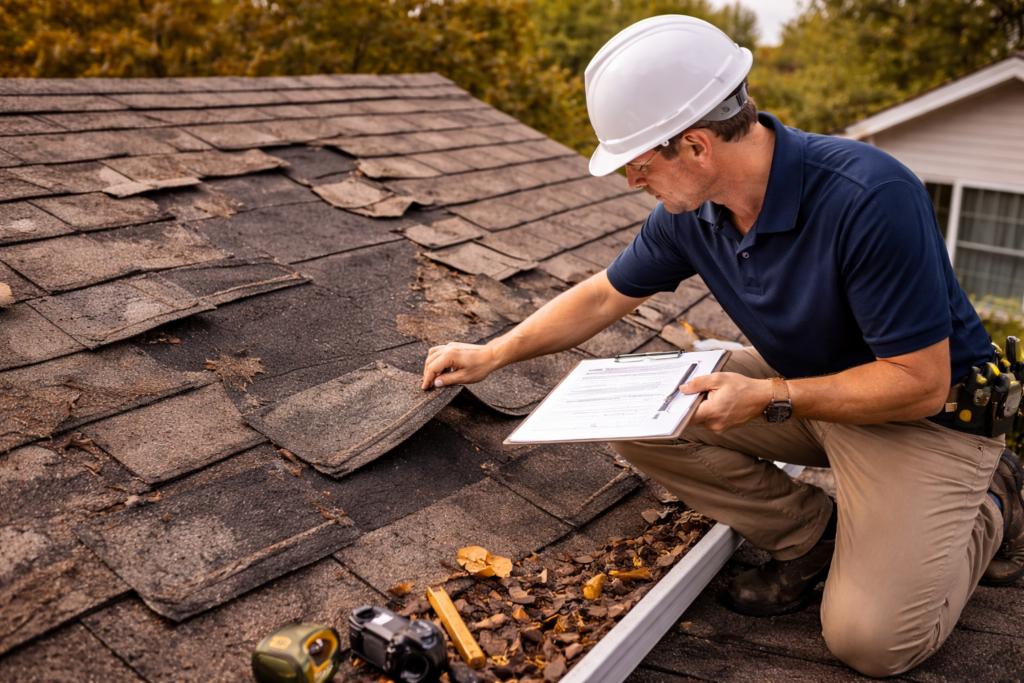
A professional roofing inspection involves a detailed evaluation of the roof’s condition.

Inspectors typically check:

  • Shingles and roofing materials
  • Flashing and sealants
  • Gutters and drainage systems
  • Roof decking
  • Attic ventilation
  • Signs of leaks or moisture
  • Storm damage

The goal is to identify both visible and hidden problems before they become serious.


Warning Signs You Should Schedule an Inspection Immediately

While annual inspections are recommended, some warning signs require immediate attention.

Schedule a roof inspection if you notice:

  • Water stains on ceilings
  • Missing shingles
  • Sagging roof areas
  • Mold or mildew smells
  • Granules in gutters
  • Rising energy bills
  • Visible storm damage

Acting quickly can prevent additional damage and costly repairs.


Why Texas Homeowners Trust F.I.T. Roofing & Construction

At F.I.T. Roofing & Construction, we understand the unique challenges Texas weather creates for residential roofing systems. Our experienced team provides thorough inspections designed to identify problems early and protect your home year-round.

We specialize in:

  • Roof inspections
  • Roof repairs
  • Roof replacements
  • Storm damage restoration
  • Gutter installation
  • Preventive roof maintenance

Our commitment to quality craftsmanship, honest service, and long-lasting roofing solutions has made us a trusted choice for Texas homeowners.


Schedule Your Free Roof Inspection Today

Don’t wait for a small roofing issue to turn into expensive damage. Regular inspections are one of the best ways to protect your home, extend your roof’s lifespan, and avoid costly repairs.

Contact F.I.T. Roofing & Construction today to schedule your free roof inspection and keep your Texas home protected year-round.

Replacing a roof is one of the biggest investments homeowners make, but it is also one of the most important. Your roof protects your home from Texas heat, hailstorms, heavy rain, strong winds, and long-term structural damage. When repairs are no longer enough, a full roof replacement becomes necessary to maintain the safety, value, and efficiency of your property.

One of the most common questions homeowners ask is, “How much does a new roof cost in Texas in 2026?” The answer depends on several factors, including the size of the roof, the materials used, labor requirements, and whether storm damage repairs are involved.

At F.I.T. Roofing & Construction, we believe homeowners should fully understand the roof replacement process and pricing before making any decisions. This guide explains the average cost of a new roof in Texas in 2026 and the factors that affect overall pricing.


Average Roof Replacement Cost in Texas

In 2026, the average roof replacement cost in Texas typically ranges between $8,000 and $25,000 or more depending on the roofing material, roof size, and project complexity.

General price ranges include:

  • Asphalt shingle roofs: $8,000–$15,000
  • Metal roofing systems: $15,000–$30,000+
  • Tile roofing: $20,000–$40,000+
  • Premium roofing materials: Higher depending on customization

Smaller homes may fall below these ranges, while larger or more complex roofs can exceed them.


Factors That Affect Roof Replacement Costs

Several important factors determine the final cost of a new roof in Texas.


Roof Size

One of the biggest pricing factors is the overall size of the roof. Larger roofs require:

  • More materials
  • More labor
  • Longer installation time
  • Additional disposal costs

Roofing contractors typically measure roofs in “squares,” where one square equals 100 square feet of roofing area.

A larger roof naturally increases overall project cost.


Roofing Material

The type of roofing material you choose significantly impacts the total price.

Asphalt Shingles

Asphalt shingles remain the most affordable and commonly used roofing option in Texas. They provide solid durability and weather protection at a lower cost than premium materials.

Metal Roofing

Metal roofs cost more upfront but offer:

  • Longer lifespan
  • Better energy efficiency
  • Lower maintenance needs
  • Strong wind resistance

Many Texas homeowners choose metal roofing for its long-term value.

Tile Roofing

Clay and concrete tile roofs are premium options known for durability and curb appeal. However, they require specialized installation and stronger structural support, increasing costs.

Impact-Resistant Roofing

Impact-resistant shingles may cost slightly more initially but can provide better protection against Texas hailstorms and reduce future repair expenses.


Roof Complexity and Design

Simple roof layouts are easier and faster to replace than complex roofing systems.

Factors that increase labor costs include:

  • Multiple roof angles
  • Steep slopes
  • Chimneys and skylights
  • Complex valleys
  • Multiple levels

More complicated roof designs require additional labor, safety equipment, and installation time.


Roof Removal and Disposal

Before installing a new roof, contractors must remove and dispose of the old roofing materials.

Removal costs depend on:

  • Number of existing roofing layers
  • Material type
  • Roof accessibility
  • Dumpster and disposal fees

If structural damage is discovered beneath the old roof, additional repairs may also be necessary.


Structural Repairs

Sometimes roof replacement projects uncover hidden damage such as:

  • Rotting decking
  • Water damage
  • Mold growth
  • Weak structural supports

These issues must be repaired before the new roofing system can be installed safely.

While structural repairs increase project costs, addressing these problems early prevents more serious damage later.


Roof Ventilation Upgrades

Proper attic ventilation is extremely important in Texas due to intense summer heat.

Poor ventilation can lead to:

  • Higher energy bills
  • Heat buildup
  • Moisture accumulation
  • Premature roof aging

Many homeowners choose to upgrade ventilation systems during roof replacement to improve energy efficiency and extend roof lifespan.


Labor Costs in Texas

Labor pricing varies depending on:

  • Contractor experience
  • Roofing complexity
  • Local market conditions
  • Project timeline

Experienced roofing professionals may charge more, but quality workmanship is essential for long-term durability and warranty protection.

Choosing the cheapest contractor often leads to:

  • Poor installation
  • Future leaks
  • Reduced roof lifespan
  • Costly repairs later

Investing in professional installation helps ensure your roof performs properly for years to come.


Does Insurance Cover Roof Replacement?

In many cases, homeowners insurance may help cover roof replacement if the damage was caused by:

  • Hailstorms
  • Wind damage
  • Falling debris
  • Severe weather events

Insurance typically does not cover normal wear and tear or neglected maintenance issues.

After a storm, a professional roofing contractor can help:

  • Inspect damage
  • Document repairs
  • Assist with insurance claims
  • Provide detailed estimates

At F.I.T. Roofing & Construction, we help Texas homeowners navigate the insurance process after storm damage occurs.


Why Roof Replacement Is Worth the Investment

While roof replacement can seem expensive, it provides several important long-term benefits.

Better Protection

A new roof protects your home against:

  • Storm damage
  • Water intrusion
  • Mold growth
  • Structural deterioration

Improved Energy Efficiency

Modern roofing systems help regulate attic temperatures and reduce cooling costs during hot Texas summers.

Increased Home Value

A new roof improves curb appeal and can increase resale value for homeowners planning to sell.

Lower Maintenance Costs

Replacing an aging roof reduces recurring repair expenses and emergency maintenance needs.


How to Save Money on a Roof Replacement

Homeowners can reduce long-term roofing costs by:

  • Addressing problems early
  • Scheduling regular inspections
  • Choosing durable materials
  • Improving ventilation
  • Working with experienced contractors

Preventive maintenance and quality installation often save money over the lifespan of the roof.


Choosing the Right Roofing Contractor

The roofing contractor you choose is just as important as the materials themselves.

Before hiring a roofing company, homeowners should:

  • Verify insurance coverage
  • Read customer reviews
  • Ask about warranties
  • Confirm local experience
  • Request detailed estimates

A trustworthy contractor will provide honest recommendations, transparent pricing, and quality workmanship.


Why Texas Homeowners Trust F.I.T. Roofing & Construction

At F.I.T. Roofing & Construction, we provide high-quality roofing solutions designed specifically for Texas homes and weather conditions.

We specialize in:

  • Roof replacements
  • Roof repairs
  • Storm restoration
  • Roof inspections
  • Gutter installation
  • Insurance claim assistance

Our experienced team is committed to precision craftsmanship, transparent communication, and long-lasting roofing systems homeowners can rely on.


Schedule Your Free Roof Inspection Today

If your roof is aging, leaking, or showing signs of storm damage, now is the time to explore your replacement options.

Contact F.I.T. Roofing & Construction today to schedule your free roof inspection and receive expert guidance on the cost of a new roof in Texas in 2026.

Texas weather can be brutal on a roof. From scorching summer temperatures and intense UV exposure to hailstorms, heavy rain, and powerful winds, homeowners need roofing materials that can handle extreme conditions year-round. Choosing the right roofing system is one of the most important decisions you can make for protecting your home, improving energy efficiency, and reducing long-term maintenance costs.

Not all roofing materials perform the same in Texas climates. Some materials hold up better against heat, while others provide stronger protection against hail or wind damage. Understanding the strengths and weaknesses of each option can help homeowners make a smart long-term investment.

At F.I.T. Roofing & Construction, we help Texas homeowners select roofing systems built for durability, performance, and long-lasting protection. Here’s a complete guide to the best roofing materials for Texas heat, wind, and storms.


Why Texas Weather Is Tough on Roofs

Texas experiences some of the harshest weather conditions in the country. Roofing systems are constantly exposed to environmental stress that can shorten lifespan and increase repair needs.

Common weather challenges include:

  • Extreme summer heat
  • Intense UV radiation
  • Hailstorms
  • Heavy rain
  • Strong winds
  • Sudden temperature shifts
  • Humidity and moisture

These conditions can cause roofing materials to:

  • Crack or curl
  • Lose protective coatings
  • Fade over time
  • Develop leaks
  • Deteriorate prematurely

Choosing weather-resistant roofing materials is essential for long-term performance in Texas.


Asphalt Shingles

Asphalt shingles are the most popular roofing material in Texas due to their affordability, versatility, and solid overall performance.

Benefits of Asphalt Shingles

Homeowners choose asphalt shingles because they offer:

  • Affordable installation costs
  • Wide variety of colors and styles
  • Reliable weather protection
  • Easy repairs and maintenance
  • Good availability

Modern architectural shingles are stronger and more durable than older three-tab shingles, making them better suited for Texas weather.

Considerations for Texas Homes

While asphalt shingles perform well overall, prolonged heat exposure can shorten their lifespan if ventilation is poor. Extreme UV exposure may also cause shingles to fade or become brittle over time.

Impact-resistant asphalt shingles are highly recommended in hail-prone Texas regions because they provide better protection against storm damage.


Metal Roofing

Metal roofing has become increasingly popular throughout Texas because of its exceptional durability and energy efficiency.

Benefits of Metal Roofing

Metal roofs offer several advantages:

  • Long lifespan of 40–70 years
  • Excellent heat reflection
  • Superior wind resistance
  • Low maintenance requirements
  • Strong storm durability

Metal roofs reflect sunlight rather than absorbing heat, helping reduce attic temperatures and cooling costs during Texas summers.

Storm Protection

Metal roofing performs extremely well during:

  • High winds
  • Heavy rain
  • Severe storms
  • Fire exposure

Many metal roofing systems are also highly resistant to hail impacts compared to traditional shingles.

Things to Consider

Metal roofing generally costs more upfront than asphalt shingles, but the long lifespan and lower maintenance needs can provide long-term value.


Clay and Concrete Tile Roofing

Tile roofing is common in many Texas neighborhoods due to its durability, appearance, and heat resistance.

Advantages of Tile Roofing

Clay and concrete tiles offer:

  • Excellent heat resistance
  • Long lifespan
  • Strong curb appeal
  • Energy efficiency
  • Resistance to UV damage

Tile roofing naturally allows airflow beneath the material, helping regulate attic temperatures.

Durability in Texas Weather

Tile roofs perform well under intense heat and sun exposure. They are also highly resistant to fire and insect damage.

However, large hailstones may crack individual tiles during severe storms. Proper installation is critical for preventing storm-related issues.

Weight Considerations

Tile roofing is significantly heavier than asphalt shingles, so the home’s structure must be able to support the additional weight.


Impact-Resistant Shingles

For homeowners in hail-prone Texas areas, impact-resistant roofing materials are often one of the best investments available.

What Makes Them Different?

Impact-resistant shingles are specially engineered to withstand hail impacts better than standard shingles. They are designed with reinforced materials that reduce cracking and surface damage.

Benefits Include:

  • Better hail protection
  • Longer roof lifespan
  • Reduced repair needs
  • Improved storm durability

Some insurance companies may even offer discounts for homes with impact-resistant roofing systems.


Synthetic Roofing Materials

Synthetic roofing products are becoming more popular because they replicate the appearance of premium materials while offering improved durability and lighter weight.

Benefits of Synthetic Roofing

Synthetic materials can provide:

  • Strong weather resistance
  • UV protection
  • Lower maintenance
  • Lighter structural load
  • Enhanced durability

Some synthetic roofing systems are designed specifically for areas with severe weather conditions.


Energy Efficiency and Roofing in Texas

Energy efficiency is a major concern for Texas homeowners due to high summer cooling costs.

The right roofing material can help:

  • Reflect solar heat
  • Improve attic ventilation
  • Lower indoor temperatures
  • Reduce HVAC strain
  • Decrease monthly energy bills

Cool Roofing Systems

Cool roofing materials are designed to reflect more sunlight and absorb less heat. These systems are especially beneficial in hot Texas climates.

Lighter-colored roofing materials generally perform better for heat reflection than darker roofing systems.


Wind Resistance Matters in Texas

Texas storms often produce strong winds capable of lifting shingles, damaging flashing, and exposing roof decking.

When selecting roofing materials, homeowners should consider:

  • Wind resistance ratings
  • Installation quality
  • Fastening systems
  • Roof shape and design

Metal roofing and architectural shingles generally provide better wind performance than older roofing systems.


The Importance of Proper Roof Ventilation

Even the best roofing materials can fail prematurely without proper attic ventilation.

Poor ventilation can cause:

  • Heat buildup
  • Moisture accumulation
  • Shingle deterioration
  • Higher energy bills
  • Mold growth

A professionally designed roofing system includes balanced ventilation to improve durability and energy efficiency.


Factors to Consider When Choosing Roofing Materials

Every Texas home is different, so homeowners should evaluate several factors before selecting a roofing system.

Climate and Storm Exposure

Homes in hail-prone or high-wind areas may benefit from impact-resistant materials or metal roofing.

Budget

While some materials cost more upfront, they may save money long-term through improved durability and reduced maintenance.

Appearance

Roofing materials significantly affect curb appeal and overall home appearance.

Longevity

Longer-lasting materials may offer better value over time, especially in harsh Texas climates.

Insurance Considerations

Some roofing systems may qualify for lower insurance premiums due to improved storm resistance.


Why Professional Installation Matters

Even premium roofing materials can fail if installed incorrectly. Proper installation is critical for:

  • Leak prevention
  • Wind resistance
  • Warranty protection
  • Storm durability
  • Long-term performance

At F.I.T. Roofing & Construction, we use high-quality materials and precision craftsmanship to ensure every roof is built to withstand Texas weather conditions.


Why Homeowners Choose F.I.T. Roofing & Construction

At F.I.T. Roofing & Construction, we understand the unique challenges Texas weather creates for residential roofing systems. Our team helps homeowners choose roofing materials that provide long-lasting protection, energy efficiency, and reliability.

We specialize in:

  • Roof replacements
  • Roof repairs
  • Storm restoration
  • Impact-resistant roofing
  • Metal roofing systems
  • Roof inspections

Our commitment to quality workmanship and honest service has made us a trusted roofing company for Texas homeowners.


Schedule Your Free Roof Inspection Today

Choosing the right roofing material is one of the best ways to protect your home from Texas heat, wind, and storms. Whether you need a roof replacement or simply want professional guidance, our team is here to help.

Contact F.I.T. Roofing & Construction today to schedule your free roof inspection and discover the best roofing solution for your Texas home.

YHailstorms are one of the most common and destructive weather events in Texas. Every year, homeowners across the state deal with damaged shingles, roof leaks, dented gutters, and costly repairs caused by severe hailstorms. While some hail damage is obvious, many roofing problems remain hidden until water starts leaking into the home weeks or even months later.

Knowing what to do immediately after a hailstorm can help protect your home, reduce repair costs, and improve the chances of a successful insurance claim. Acting quickly is especially important because untreated hail damage can weaken your roof over time and lead to much larger structural problems.

At F.I.T. Roofing & Construction, we help Texas homeowners inspect, repair, and restore hail-damaged roofs safely and professionally. Here’s a complete guide on what to do after hail damages your roof in Texas.


Stay Safe and Assess the Situation

After a hailstorm passes, safety should always come first. Large hail, strong winds, lightning, and falling debris can create dangerous conditions around your property.

Before inspecting anything:

  • Wait until the storm has fully passed
  • Avoid climbing onto the roof yourself
  • Stay away from downed power lines
  • Watch for slippery surfaces or debris

Instead of immediately getting on the roof, start by inspecting your property safely from the ground.


Look for Visible Signs of Hail Damage

Not all hail damage is immediately noticeable, but there are several warning signs homeowners can look for after a storm.

Common Exterior Signs

Check for:

  • Dented gutters or downspouts
  • Damage to siding or windows
  • Broken outdoor fixtures
  • Fallen tree branches
  • Damaged vents or flashing

If these areas show impact damage, your roof may also have been affected.

Signs on Asphalt Shingles

Hail can damage shingles by knocking away protective granules or creating bruised areas that weaken the material.

Possible signs include:

  • Dark spots on shingles
  • Missing granules
  • Cracked shingles
  • Soft impact marks
  • Exposed roofing layers

Even small hail impacts can shorten your roof’s lifespan significantly over time.


Check Inside Your Home for Leaks

Hail damage often creates openings that allow water to enter the home during future rainstorms. Some leaks may not appear immediately, so it’s important to inspect the interior carefully.

Look for:

  • Water stains on ceilings
  • Peeling paint
  • Damp attic insulation
  • Mold or mildew smells
  • Dripping water

Pay close attention to the attic if accessible, since leaks often begin there before reaching living spaces.


Document All Damage

Proper documentation is extremely important if you plan to file an insurance claim.

Take clear photos of:

  • Roof damage visible from the ground
  • Dented gutters and flashing
  • Broken windows or siding
  • Water stains indoors
  • Storm debris around the property

Try to document the date and approximate time of the storm as well. Keeping organized records can help support your insurance claim later.


Schedule a Professional Roof Inspection

One of the biggest mistakes homeowners make after a hailstorm is assuming the roof is fine because there are no visible leaks. In reality, hail damage is often hidden and difficult to detect without professional experience.

A professional roofing inspection can identify:

  • Hidden shingle bruising
  • Compromised underlayment
  • Flashing damage
  • Structural concerns
  • Areas vulnerable to future leaks

At F.I.T. Roofing & Construction, we provide thorough roof inspections designed to identify both visible and hidden storm damage.


Avoid Delaying Repairs

Even minor hail damage can worsen over time if repairs are delayed. Once shingles lose their protective granules or develop cracks, Texas heat and rain can accelerate roof deterioration.

Untreated hail damage may lead to:

  • Roof leaks
  • Mold growth
  • Rotting decking
  • Interior water damage
  • Reduced energy efficiency

The sooner damage is addressed, the lower the risk of expensive long-term repairs.


Understand How Insurance Claims Work

Many Texas homeowners insurance policies cover hail damage, but navigating the claims process can feel overwhelming.

What Insurance May Cover

Depending on your policy, coverage may include:

  • Roof repairs
  • Full roof replacement
  • Water damage restoration
  • Gutter replacement
  • Storm-related structural repairs

Coverage typically depends on the severity of damage and the condition of the roof before the storm.

Steps for Filing a Claim

The insurance process usually includes:

  1. Documenting damage
  2. Contacting your insurance company
  3. Scheduling an adjuster inspection
  4. Receiving a repair estimate
  5. Completing approved repairs

Working with an experienced roofing contractor can help simplify the process and ensure damage is properly documented.


Beware of Storm Chasing Contractors

After major Texas hailstorms, many out-of-town roofing companies quickly move into affected neighborhoods offering fast repairs and aggressive sales tactics.

Unfortunately, some of these contractors:

  • Perform low-quality work
  • Use poor materials
  • Disappear after payment
  • Offer unrealistic promises
  • Lack proper licensing or insurance

Before hiring a roofing contractor:

  • Verify local experience
  • Check reviews and references
  • Confirm insurance coverage
  • Ask about warranties
  • Avoid high-pressure sales tactics

Choosing a trusted local roofing company helps protect your investment and ensures long-term support.


Consider Impact-Resistant Roofing Materials

If your roof needs replacement after hail damage, upgrading to impact-resistant roofing materials may provide better protection during future storms.

Impact-resistant shingles are designed to:

  • Resist hail impacts
  • Reduce cracking
  • Extend roof lifespan
  • Improve storm durability

In some cases, homeowners may even qualify for insurance discounts by upgrading to impact-resistant roofing systems.


Why Texas Homes Are Especially Vulnerable to Hail

Texas experiences some of the most severe hailstorms in the country. The combination of strong thunderstorms, warm temperatures, and unpredictable weather patterns creates ideal conditions for damaging hail.

Certain regions of Texas experience:

  • Frequent spring hailstorms
  • Large hailstones
  • Strong winds
  • Heavy rain
  • Rapid storm development

Because of this, regular roof inspections are especially important for Texas homeowners.


How to Prevent Future Hail Damage

While no roof is completely storm-proof, homeowners can take steps to reduce future damage risks.

Preventive measures include:

  • Scheduling annual roof inspections
  • Repairing small issues quickly
  • Cleaning gutters regularly
  • Improving attic ventilation
  • Upgrading roofing materials
  • Trimming overhanging tree branches

Proactive maintenance can help extend the lifespan of your roof and improve storm resistance.


Why Homeowners Trust F.I.T. Roofing & Construction

At F.I.T. Roofing & Construction, we understand the challenges Texas homeowners face after severe hailstorms. Our team provides professional roofing solutions designed to restore and protect your home quickly and effectively.

We specialize in:

  • Hail damage inspections
  • Roof repairs
  • Roof replacements
  • Insurance claim assistance
  • Storm restoration services
  • Gutter repair and installation

Our goal is to provide honest assessments, quality craftsmanship, and reliable service every step of the way.


Schedule Your Free Roof Inspection Today

If your home was recently hit by hail, don’t wait for hidden damage to become a costly problem. Early inspections and repairs can save time, money, and stress.

Contact F.I.T. Roofing & Construction today to schedule your free roof inspection and protect your Texas home after hail damage.

Your roof is one of the most important parts of your home. It protects your property from harsh weather, improves energy efficiency, and adds long-term value to your investment. In Texas, where homes face intense heat, hailstorms, heavy rain, and strong winds, roofing systems work even harder year-round.

Over time, every roof reaches the point where repairs are no longer enough. When that happens, a full roof replacement becomes the safest and most cost-effective solution. However, many homeowners are unsure when they should replace their roof, what the process involves, or how much it may cost.

At F.I.T. Roofing & Construction, we help Texas homeowners navigate the roof replacement process with confidence. This complete guide explains everything you need to know about roof replacement in Texas, from warning signs and material choices to costs and long-term benefits.


How Long Does a Roof Last in Texas?

The lifespan of a roof depends on several factors, including material quality, installation, maintenance, and weather exposure. In Texas, extreme temperatures and severe storms often shorten roof lifespan compared to milder climates.

Average roof lifespans include:

  • Asphalt shingles: 15–25 years
  • Metal roofing: 40–70 years
  • Tile roofing: 40–50 years
  • Slate roofing: 50+ years

Texas weather can accelerate wear and tear due to:

  • Intense UV exposure
  • Hailstorms
  • High winds
  • Heavy rainfall
  • Sudden temperature changes

Routine inspections and maintenance can help maximize roof lifespan, but eventually replacement becomes necessary.


Signs You May Need a Roof Replacement

While some roofing issues can be repaired, others indicate your roof may be nearing the end of its lifespan.

Frequent Leaks

If your roof develops repeated leaks in multiple areas, repairs may only provide temporary relief. Persistent leaks often signal widespread deterioration beneath the roofing materials.

Missing or Curling Shingles

Shingles that are cracked, curling, loose, or missing expose your roof to water intrusion and storm damage.

Sagging Roof Structure

A sagging roof may indicate structural weakening caused by trapped moisture or rotting decking. This issue requires immediate professional attention.

Excessive Granule Loss

If you notice large amounts of shingle granules in gutters, your roof may be deteriorating rapidly due to age or storm damage.

Storm Damage

Texas hailstorms and strong winds can severely weaken roofing systems. In some cases, insurance-covered storm damage may justify a full replacement.

Roof Age

If your roof is more than 15–20 years old and showing visible wear, replacement may be the safest long-term option.


Benefits of Replacing Your Roof

A roof replacement is a major investment, but it offers several important advantages for Texas homeowners.

Improved Protection

A new roof provides stronger protection against rain, hail, wind, and extreme temperatures.

Better Energy Efficiency

Modern roofing systems and ventilation solutions help reduce heat buildup in the attic, lowering cooling costs during Texas summers.

Increased Home Value

A new roof improves curb appeal and can increase property value if you plan to sell your home.

Lower Maintenance Costs

Replacing an aging roof eliminates recurring repair expenses and reduces the risk of emergency damage.

Enhanced Safety

A structurally sound roof protects your home, belongings, and family from water intrusion and weather-related hazards.


Choosing the Right Roofing Material in Texas

Selecting the right roofing material is one of the most important decisions during the replacement process.

Asphalt Shingles

Asphalt shingles remain the most common roofing option in Texas because they are affordable, durable, and available in many styles.

Benefits include:

  • Cost-effective installation
  • Good weather resistance
  • Variety of colors and styles
  • Easy maintenance

Metal Roofing

Metal roofs are becoming increasingly popular in Texas due to their durability and energy efficiency.

Advantages include:

  • Long lifespan
  • Excellent heat reflection
  • Strong wind resistance
  • Low maintenance

Tile Roofing

Clay and concrete tile roofs offer exceptional durability and a distinctive appearance.

Benefits include:

  • Long-lasting performance
  • Heat resistance
  • Excellent curb appeal
  • Energy efficiency

Impact-Resistant Roofing

For homeowners in hail-prone areas, impact-resistant shingles can provide additional protection against storm damage.

These materials are specifically designed to withstand hail impacts better than standard shingles.


What Happens During a Roof Replacement?

Many homeowners feel nervous about the roof replacement process because they don’t know what to expect. A professional roofing contractor should make the experience straightforward and stress-free.

Step 1: Roof Inspection

The process begins with a detailed roof inspection to assess damage, identify structural concerns, and determine replacement needs.

Step 2: Material Selection

Homeowners choose roofing materials, colors, and upgrades based on budget, style preferences, and durability goals.

Step 3: Removing the Old Roof

The existing roofing materials are removed down to the decking to inspect the underlying structure.

Step 4: Repairs and Preparation

Damaged decking or structural components are repaired before installing the new roofing system.

Step 5: Installing the New Roof

The new roofing materials, underlayment, flashing, and ventilation systems are professionally installed.

Step 6: Final Inspection and Cleanup

The contractor performs a final inspection and thoroughly cleans the property to ensure quality workmanship and safety.


How Much Does Roof Replacement Cost in Texas?

Roof replacement costs vary depending on:

  • Roof size
  • Roofing material
  • Roof complexity
  • Labor requirements
  • Structural repairs
  • Ventilation upgrades

While prices vary, investing in quality materials and professional installation can save homeowners money long-term by reducing future repairs and improving durability.

Homeowners should avoid choosing roofing contractors based solely on the lowest price. Poor workmanship can lead to serious issues later.


Can Insurance Cover Roof Replacement?

In many cases, Texas homeowners insurance may cover roof replacement if the damage was caused by:

  • Hailstorms
  • Wind damage
  • Falling debris
  • Severe weather events

Insurance companies typically do not cover damage caused by neglect or normal aging.

A professional roofing contractor can assist with:

  • Storm inspections
  • Documentation
  • Insurance claim support
  • Repair estimates

At F.I.T. Roofing & Construction, we help homeowners navigate the insurance process after storm damage occurs.


Why Professional Installation Matters

Even the best roofing materials can fail if installed incorrectly. Proper installation is critical for:

  • Weather resistance
  • Leak prevention
  • Ventilation performance
  • Warranty protection
  • Long-term durability

Hiring experienced roofing professionals ensures your roof is built to withstand Texas weather conditions for years to come.


Why Texas Homeowners Trust F.I.T. Roofing & Construction

At F.I.T. Roofing & Construction, we provide high-quality roof replacement services designed specifically for Texas homes and weather conditions.

Our team is committed to:

  • Honest inspections
  • Transparent communication
  • Premium materials
  • Precision craftsmanship
  • Reliable timelines
  • Long-lasting roofing solutions

We understand that replacing a roof is a major investment, which is why we focus on delivering exceptional workmanship and dependable results every step of the way.


Schedule Your Free Roof Inspection Today

If your roof is aging, leaking, or showing signs of storm damage, now is the time to take action before problems worsen.

Contact F.I.T. Roofing & Construction today to schedule your free roof inspection and learn more about your roof replacement options. Protect your Texas home with a roofing system built to last.

Texas weather is known for being unpredictable, extreme, and unforgiving. From scorching summer heat to hailstorms, heavy rain, strong winds, and sudden temperature shifts, homes across Texas face constant environmental stress. While homeowners often focus on air conditioning, landscaping, or storm preparation, one of the most affected parts of any property is the roof.

Your roof is your home’s first line of defense against the elements. Over time, Texas weather can weaken roofing materials, create leaks, reduce energy efficiency, and lead to expensive repairs if issues go unnoticed. Understanding how each season impacts your roof can help you protect your investment, extend the lifespan of your roofing system, and avoid costly surprises.

At F.I.T. Roofing & Construction, we help Texas homeowners identify, repair, and prevent weather-related roof damage all year long. Here’s how Texas weather affects your roof throughout every season and what you can do to keep it in top condition.


Spring Storms Bring Heavy Rain and Hail

Spring in Texas often marks the beginning of severe weather season. Thunderstorms, hail, strong winds, and torrential rain are common throughout many parts of the state. While these storms may only last a short time, the damage they leave behind can be significant.

Hail Damage

Hail is one of the most destructive weather threats to Texas roofs. Even small hailstones can bruise shingles, crack tiles, loosen granules, and weaken protective roofing layers. Larger hail can create punctures or expose the underlying roofing structure.

Signs of hail damage may include:

  • Dented gutters or metal flashing
  • Missing shingle granules
  • Cracked or broken shingles
  • Soft spots on asphalt shingles
  • Water stains inside the home

Many homeowners do not notice hail damage immediately because the effects are not always visible from the ground. However, untreated hail damage can shorten your roof’s lifespan and eventually lead to leaks.

Heavy Rainfall

Texas spring storms often produce intense rainfall in a short amount of time. If your roof already has weak spots, damaged flashing, or clogged gutters, heavy rain can quickly lead to water intrusion.

Water damage may affect:

  • Ceilings and walls
  • Attic insulation
  • Structural wood framing
  • Electrical systems
  • Mold growth inside the home

Routine roof inspections after major storms are essential for identifying problems before they worsen.


Summer Heat Can Wear Down Roofing Materials

Texas summers are brutal, especially in areas where temperatures regularly exceed 100°F. Constant UV exposure and extreme heat place tremendous stress on roofing systems.

Sun Exposure and UV Damage

The sun’s ultraviolet rays slowly break down roofing materials over time. Asphalt shingles can become dry, brittle, and faded after years of direct exposure. This deterioration weakens the roof’s ability to protect your home from moisture and weather.

Common signs of heat-related roof damage include:

  • Curling shingles
  • Cracking or blistering
  • Fading roof color
  • Loose roofing materials
  • Premature aging

Roofs in Texas often age faster than roofs in milder climates due to the intense sun exposure.

Thermal Expansion and Contraction

Texas roofs experience dramatic temperature changes between daytime heat and cooler nighttime temperatures. Roofing materials expand during the heat of the day and contract at night.

Over time, this repeated movement can:

  • Loosen nails and fasteners
  • Crack flashing seals
  • Create gaps around vents and chimneys
  • Increase the risk of leaks

Proper installation and quality roofing materials are critical for handling Texas heat cycles effectively.

Increased Cooling Costs

An aging or poorly ventilated roof can trap heat inside the attic, making your HVAC system work harder. This leads to higher energy bills during summer months.

A properly ventilated roofing system helps:

  • Reduce attic temperatures
  • Improve energy efficiency
  • Extend roof lifespan
  • Lower cooling costs

Many Texas homeowners upgrade ventilation systems during roof replacements to improve overall home performance.


Fall Is the Best Time for Roof Maintenance

While Texas weather may become milder during fall, this season is one of the most important times for roof maintenance and preparation.

Cleaning Gutters and Drainage Systems

Leaves, debris, and dirt can accumulate in gutters throughout the year. Clogged gutters prevent proper drainage, allowing water to pool near the roofline or foundation.

This can lead to:

  • Roof leaks
  • Rotting fascia boards
  • Foundation damage
  • Mold growth
  • Water overflow during storms

Cleaning gutters before winter storms arrive helps protect your roofing system and home exterior.

Preparing for Winter Weather

Although Texas winters are generally milder than northern states, sudden freezes, ice storms, and strong winds can still impact roofs.

Fall is the ideal time to:

  • Replace damaged shingles
  • Seal flashing gaps
  • Inspect attic insulation
  • Check ventilation systems
  • Schedule professional roof inspections

Preventive maintenance can significantly reduce the risk of winter-related roofing problems.


Winter Weather Still Impacts Texas Roofs

Many homeowners underestimate the effects winter can have on roofs in Texas. While snow may not be frequent, freezing temperatures and winter storms can still cause damage.

Freeze and Thaw Cycles

Water that enters small cracks or gaps in the roof can freeze overnight. As water freezes, it expands, widening cracks and worsening existing damage.

Repeated freeze-thaw cycles can:

  • Crack shingles
  • Damage flashing
  • Create leaks
  • Weaken roofing materials

Even minor roof issues can become major problems during winter weather conditions.

Wind Damage

Texas winter storms often bring strong winds that can lift shingles, loosen flashing, or damage roof edges. Once shingles are lifted, water can easily penetrate beneath the roofing system.

After strong wind events, homeowners should inspect for:

  • Missing shingles
  • Debris on the roof
  • Bent flashing
  • Loose gutters

Addressing wind damage quickly helps prevent future leaks and structural issues.


Why Regular Roof Inspections Matter in Texas

Because Texas weather changes so rapidly throughout the year, routine roof inspections are essential. Small issues caused by heat, hail, wind, or rain can quickly become expensive repairs if ignored.

Professional roof inspections help identify:

  • Hidden storm damage
  • Weak roofing materials
  • Flashing failures
  • Ventilation problems
  • Early signs of leaks

At F.I.T. Roofing & Construction, we recommend scheduling roof inspections at least once per year and after any major storm event.


Protect Your Roof With F.I.T. Roofing & Construction

Texas weather can be harsh on roofing systems, but proactive maintenance and professional inspections can help extend the life of your roof and protect your home year-round.

At F.I.T. Roofing & Construction, we specialize in:

  • Roof inspections
  • Roof repairs
  • Roof replacements
  • Storm damage restoration
  • Gutter installation
  • Preventive roofing maintenance

Our experienced team understands the unique challenges Texas homeowners face and delivers roofing solutions built for long-term durability, performance, and protection.

Whether your roof has suffered storm damage or you simply want peace of mind before the next season arrives, our team is ready to help.

Schedule Your Free Roof Inspection Today

Don’t wait until minor roofing issues turn into costly damage. Protect your home with expert roofing services designed specifically for Texas weather conditions.

Contact F.I.T. Roofing & Construction today to schedule your free roof inspection and keep your home protected year-round.

Texas weather is known for being unpredictable, extreme, and unforgiving. From scorching summer heat to hailstorms, heavy rain, strong winds, and sudden temperature shifts, homes across Texas face constant environmental stress. While homeowners often focus on air conditioning, landscaping, or storm preparation, one of the most affected parts of any property is the roof.

Your roof is your home’s first line of defense against the elements. Over time, Texas weather can weaken roofing materials, create leaks, reduce energy efficiency, and lead to expensive repairs if issues go unnoticed. Understanding how each season impacts your roof can help you protect your investment, extend the lifespan of your roofing system, and avoid costly surprises.

At F.I.T. Roofing & Construction, we help Texas homeowners identify, repair, and prevent weather-related roof damage all year long. Here’s how Texas weather affects your roof throughout every season and what you can do to keep it in top condition.


Spring Storms Bring Heavy Rain and Hail

Spring in Texas often marks the beginning of severe weather season. Thunderstorms, hail, strong winds, and torrential rain are common throughout many parts of the state. While these storms may only last a short time, the damage they leave behind can be significant.

Hail Damage

Hail is one of the most destructive weather threats to Texas roofs. Even small hailstones can bruise shingles, crack tiles, loosen granules, and weaken protective roofing layers. Larger hail can create punctures or expose the underlying roofing structure.

Signs of hail damage may include:

  • Dented gutters or metal flashing
  • Missing shingle granules
  • Cracked or broken shingles
  • Soft spots on asphalt shingles
  • Water stains inside the home

Many homeowners do not notice hail damage immediately because the effects are not always visible from the ground. However, untreated hail damage can shorten your roof’s lifespan and eventually lead to leaks.

Heavy Rainfall

Texas spring storms often produce intense rainfall in a short amount of time. If your roof already has weak spots, damaged flashing, or clogged gutters, heavy rain can quickly lead to water intrusion.

Water damage may affect:

  • Ceilings and walls
  • Attic insulation
  • Structural wood framing
  • Electrical systems
  • Mold growth inside the home

Routine roof inspections after major storms are essential for identifying problems before they worsen.


Summer Heat Can Wear Down Roofing Materials

Texas summers are brutal, especially in areas where temperatures regularly exceed 100°F. Constant UV exposure and extreme heat place tremendous stress on roofing systems.

Sun Exposure and UV Damage

The sun’s ultraviolet rays slowly break down roofing materials over time. Asphalt shingles can become dry, brittle, and faded after years of direct exposure. This deterioration weakens the roof’s ability to protect your home from moisture and weather.

Common signs of heat-related roof damage include:

  • Curling shingles
  • Cracking or blistering
  • Fading roof color
  • Loose roofing materials
  • Premature aging

Roofs in Texas often age faster than roofs in milder climates due to the intense sun exposure.

Thermal Expansion and Contraction

Texas roofs experience dramatic temperature changes between daytime heat and cooler nighttime temperatures. Roofing materials expand during the heat of the day and contract at night.

Over time, this repeated movement can:

  • Loosen nails and fasteners
  • Crack flashing seals
  • Create gaps around vents and chimneys
  • Increase the risk of leaks

Proper installation and quality roofing materials are critical for handling Texas heat cycles effectively.

Increased Cooling Costs

An aging or poorly ventilated roof can trap heat inside the attic, making your HVAC system work harder. This leads to higher energy bills during summer months.

A properly ventilated roofing system helps:

  • Reduce attic temperatures
  • Improve energy efficiency
  • Extend roof lifespan
  • Lower cooling costs

Many Texas homeowners upgrade ventilation systems during roof replacements to improve overall home performance.


Fall Is the Best Time for Roof Maintenance

While Texas weather may become milder during fall, this season is one of the most important times for roof maintenance and preparation.

Cleaning Gutters and Drainage Systems

Leaves, debris, and dirt can accumulate in gutters throughout the year. Clogged gutters prevent proper drainage, allowing water to pool near the roofline or foundation.

This can lead to:

  • Roof leaks
  • Rotting fascia boards
  • Foundation damage
  • Mold growth
  • Water overflow during storms

Cleaning gutters before winter storms arrive helps protect your roofing system and home exterior.

Preparing for Winter Weather

Although Texas winters are generally milder than northern states, sudden freezes, ice storms, and strong winds can still impact roofs.

Fall is the ideal time to:

  • Replace damaged shingles
  • Seal flashing gaps
  • Inspect attic insulation
  • Check ventilation systems
  • Schedule professional roof inspections

Preventive maintenance can significantly reduce the risk of winter-related roofing problems.


Winter Weather Still Impacts Texas Roofs

Many homeowners underestimate the effects winter can have on roofs in Texas. While snow may not be frequent, freezing temperatures and winter storms can still cause damage.

Freeze and Thaw Cycles

Water that enters small cracks or gaps in the roof can freeze overnight. As water freezes, it expands, widening cracks and worsening existing damage.

Repeated freeze-thaw cycles can:

  • Crack shingles
  • Damage flashing
  • Create leaks
  • Weaken roofing materials

Even minor roof issues can become major problems during winter weather conditions.

Wind Damage

Texas winter storms often bring strong winds that can lift shingles, loosen flashing, or damage roof edges. Once shingles are lifted, water can easily penetrate beneath the roofing system.

After strong wind events, homeowners should inspect for:

  • Missing shingles
  • Debris on the roof
  • Bent flashing
  • Loose gutters

Addressing wind damage quickly helps prevent future leaks and structural issues.


Why Regular Roof Inspections Matter in Texas

Because Texas weather changes so rapidly throughout the year, routine roof inspections are essential. Small issues caused by heat, hail, wind, or rain can quickly become expensive repairs if ignored.

Professional roof inspections help identify:

  • Hidden storm damage
  • Weak roofing materials
  • Flashing failures
  • Ventilation problems
  • Early signs of leaks

At F.I.T. Roofing & Construction, we recommend scheduling roof inspections at least once per year and after any major storm event.


Protect Your Roof With F.I.T. Roofing & Construction

Texas weather can be harsh on roofing systems, but proactive maintenance and professional inspections can help extend the life of your roof and protect your home year-round.

At F.I.T. Roofing & Construction, we specialize in:

  • Roof inspections
  • Roof repairs
  • Roof replacements
  • Storm damage restoration
  • Gutter installation
  • Preventive roofing maintenance

Our experienced team understands the unique challenges Texas homeowners face and delivers roofing solutions built for long-term durability, performance, and protection.

Whether your roof has suffered storm damage or you simply want peace of mind before the next season arrives, our team is ready to help.

Schedule Your Free Roof Inspection Today

Don’t wait until minor roofing issues turn into costly damage. Protect your home with expert roofing services designed specifically for Texas weather conditions.

Contact F.I.T. Roofing & Construction today to schedule your free roof inspection and keep your home protected year-round.

Hail storms in Texas can be sudden and severe. Even a short storm can cause significant damage to your roof.

So the key question homeowners ask is:
What should you do after hail damages your roof?

Taking the right steps immediately can prevent further damage, protect your insurance claim, and save you money. Here’s exactly what to do.


Immediate Steps After Hail Damage

Follow these actions as soon as the storm passes:

Check for Visible Damage
Look for dents, cracks, or missing shingles
Inspect gutters and downspouts

Document Everything
Take clear photos of all visible damage
Record the date and time of the storm

Check Inside Your Home
Look for leaks, stains, or water spots
Inspect ceilings and attic areas

Avoid Climbing on the Roof
Damage may not be visible and can be dangerous

Important: Safety comes first. Never inspect severe damage on your own.


Common Signs of Hail Damage

Hail damage isn’t always obvious. Watch for:

Bruised or cracked shingles
Granule loss on shingles
Dents in metal components
Damaged flashing or vents
Leaks or water stains indoors

Some damage may not be visible without a professional inspection.


Why Immediate Action Matters

Prevent Further Damage

Damaged roofs allow water to enter:

Leads to leaks and mold
Weakens the structure
Increases repair costs


Protect Your Insurance Claim

Delays can affect your claim:

Insurance companies require timely reporting
Damage may worsen and complicate claims
Documentation becomes harder over time


Avoid Higher Costs

Small damage can escalate quickly:

Minor repairs turn into full replacements
Interior damage increases expenses
Emergency repairs cost more


Filing an Insurance Claim

Follow these steps to ensure a smooth process:

Contact Your Insurance Company
Report the damage as soon as possible

Schedule an Inspection
Have a professional assess the roof

Provide Documentation
Submit photos and inspection reports

Meet with the Adjuster
Ensure all damage is properly identified

Work with a Trusted Contractor
Get accurate repair estimates and support


What a Professional Inspection Includes

A proper inspection will:

Identify visible and hidden damage
Assess structural integrity
Check for leaks and weak points
Provide a detailed report for insurance
Recommend repair or replacement options

This step is critical for accurate claims and proper repairs.


Repair vs Replacement After Hail Damage

Here’s how to determine the right solution:

Minor Damage
Small areas affected
Repairs are usually sufficient

Moderate Damage
Multiple impacted areas
Partial replacement may be needed

Severe Damage
Widespread impact
Full roof replacement recommended

A professional assessment ensures the correct decision.


How to Prevent Future Hail Damage

While storms can’t be avoided, you can reduce risk:

Use Impact-Resistant Materials
Stronger shingles withstand hail better

Schedule Regular Inspections
Catch weak spots before storms

Maintain Your Roof
Address small issues early

Upgrade When Necessary
Older roofs are more vulnerable


When Should You Call a Roofing Expert?

Use these guidelines:

Immediately after a hail storm
If you notice any visible damage
When filing an insurance claim
If your roof is older or previously damaged

Early inspection ensures nothing is missed.


Why Professional Help Is Essential

Working with experts ensures:

Accurate damage assessment
Proper repair or replacement
Assistance with insurance claims
Long-lasting protection

DIY inspections often miss hidden damage.


Protect Your Home After the Storm

Hail damage can compromise your roof even if it looks minor from the ground.

Taking fast, informed action helps prevent further issues and ensures your home stays protected.


Get a Free Roof Inspection

If your home was affected by a hail storm, schedule a professional inspection today.

A detailed evaluation will confirm the damage and guide you on the next steps.


Frequently Asked Questions

Can hail damage a roof without visible signs?

Yes. Damage is often hidden and requires a professional inspection to detect.

How soon should I file a claim after hail damage?

As soon as possible. Delays can affect your coverage and claim approval.

Will insurance cover hail damage?

Most policies do, but coverage depends on your plan and proper documentation.


Final Thoughts

Knowing what to do after hail damage to your roof in Texas can make a major difference in cost, safety, and long-term protection. Act quickly, document everything, and rely on professionals to ensure your roof is properly restored.

Need Help With Your Roof?

Explore expert roofing insights, tips, and guides designed to help Texas homeowners make smarter decisions and avoid costly repairs.