
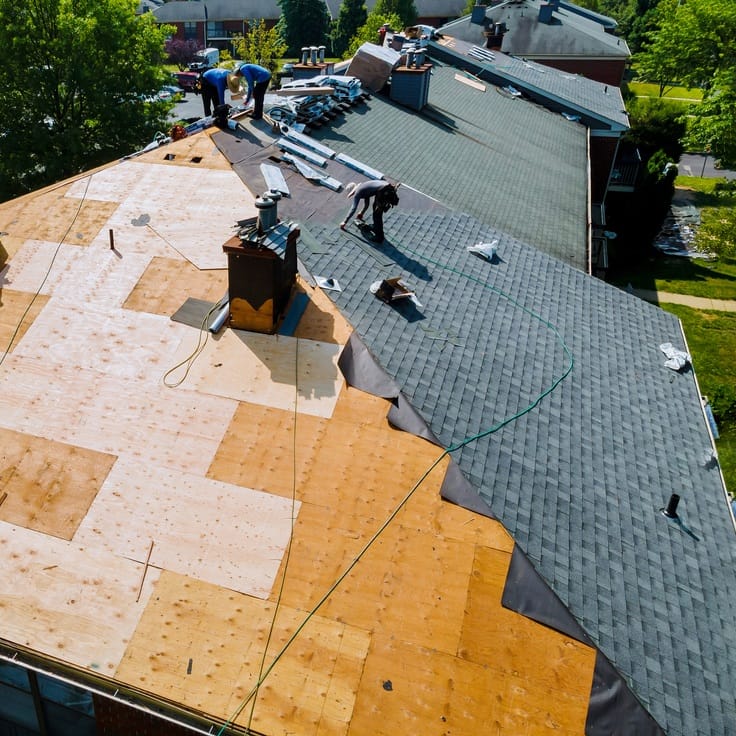
Yes. The City of Plano lists replacing a roof among the jobs that need a building permit, though a small repair such as replacing a few shingles generally doesn't need one. The permit is normally taken out by a contractor registered with the city, and the job ends with a final inspection that includes the attic. For your own house, the city's Building Inspections department has the final word.
Plano treats a new roof as building work. If you're planning a roof replacement in Plano, get the permit sorted before work starts.
The rules below come from the city's own handouts and its residential code. It's general information, and only the city can rule on your house.
When does a roof job in Plano need a permit?
Whenever you're replacing the roof. The city's handout When is a Permit Required? puts replacing a roof on its list of projects that need a permit, next to foundation repairs, water heaters and fences. The form the city uses for the final roof inspection is blunter. It says a roof permit is required on all re-roof projects.
The code says the same thing by leaving roofing out. Plano adopted the 2024 International Residential Code, with its own amendments, in 2025. Its list of building work that's exempt from a permit covers things like small detached sheds, low retaining walls, playground equipment, and finish work such as painting and cabinets. Roofing isn't on it.
The reason for the new roof doesn't change any of this. A worn-out roof and a storm-damaged one both need a permit to be replaced.
Can you repair part of a roof without a permit?
Yes, if the job is small. The city's re-roof permit handout says re-roof work not exceeding 25% of the roof doesn't require a permit. Replacing a few shingles, resealing flashing or fitting a new vent boot comes in far below that line.
Two cautions go with it. The handout carries a 2016 revision date and was written for the 2015 code. The residential code Plano adopted in 2025 doesn't repeat the 25% figure, and it exempts ordinary repairs from a permit without putting a size on them. The city also says its handouts are for information only and shouldn't be relied on in place of its regulations. If your job is anywhere near the line, or you're not sure how the city would measure it, ask Building Inspections before work starts.
If a stain on a ceiling is what got you thinking about the roof, work out where the water is coming from first. Whether to patch the roof or replace it is a separate decision, covered in roof repair vs replacement.
Who pulls the roofing permit, you or the roofer?
Usually the roofer. Plano's residential code says a permit applicant has to be registered with the city as a contractor. Homeowners are the exception, because they can get a permit for work at their own residence without registering. The re-roof handout says the same for a homeowner doing the work on their own homestead.
The city's advice on this is pointed. The second page of its When is a Permit Required? handout carries tips on choosing a contractor. They say never to use one who claims no permits or inspections are required, and to be especially wary of a contractor who suggests you get the permit for their work. If you take out the permit for a contractor, the city says, you're responsible for their work.
So if you hire a roofer, the roofer should apply under its own registration. The same tips tell you to insist on seeing the permit before the project begins and to keep an eye on the contractor's inspection record as the work goes on. You can check both yourself. The city's online permit system, eTRAKiT, reached from its Building Inspections page, lets you search permits and registered contractors.
The code also gives a roofer a reason to see the inspections through. A contractor's registration can be suspended for failing to finalize permits by getting the required inspections approved. As for cost, the re-roof handout gives no amount and points to the city's fee schedule instead.
What does the city check when a new roof goes on?
The re-roof handout lists rules for the materials. Like its 25% line, they were written for the 2015 code, so check anything unusual about your roof with Building Inspections. In plain terms, the handout says:
- An existing roof of wood shake, slate, clay or cement tile, or asbestos-cement tile has to come off before the new roof goes on, with some exceptions set out in the code.
- Unpackaged shingles, which the handout calls seconds, can't be used.
- Rotten decking or rafters have to be replaced as needed.
If your house still has a wood shake roof, raise it with your roofer early. Whether the shakes can stay under a new roof depends on what goes on top and what state they're in, and the answer changes the whole job.
For metal and tile roofs, the handout also lists a partial inspection of the underlayment, before the roof covering goes on. Every re-roof then gets a final inspection to confirm that the materials were installed properly and meet the code.
The final inspection reaches into the attic. According to the city's form, the inspector checks the vent piping that runs through the roof, that the rafters are in position, and that the water heater and furnace exhaust vents were put back properly. Roofers work around those vents during a tear-off, so it's a sensible thing to check.
Can you skip the city's final roof inspection?
Yes, by signing a form, but read it closely first. The city's Certification of Final Roof Installation says the final roof inspection comes as part of your roof permit. If you choose to waive it, you, the homeowner, sign a statement that your roofing contractor has done the same attic check. The form then goes back to the city by fax or email.
You'd be putting your name to a statement about work you probably didn't watch, in an attic you may never go into. The city's inspection already comes with the permit.
Does your HOA need to approve a new roof too?
It might. Both of the city's handouts tell homeowners to check with their homeowners association for extra requirements in the deed restrictions and covenants. That's a separate check from the city permit, so ask the HOA what it needs to see before you sign a contract.
What does Fit Roofing & Construction do on a Plano roof replacement?
We repair and replace roofs for homes and businesses in Plano, and our Plano roofing page lists the services there. A replacement starts with an inspection of your roof. After that comes a proposal that lays out materials, timing and cost, and we take your questions before any work begins.
If you're also weighing new gutters at the same time or better attic ventilation, both are services we offer alongside a roof replacement.
Where should you start if you're replacing a roof in Plano?
Read the re-roof handout before you sign a contract. It's posted on the city's Residential Additions & Alterations page, along with the final inspection form. Then check your HOA's rules. When you hire, have the roofer pull the permit under its own registration and show it to you before the old roof comes off.
Keep the permit and the passed final inspection with your house papers. The city's contractor tips warn that work done contrary to city ordinances can affect title transfers or insurance requirements if you ever sell.
Anything particular to your house, such as a partial re-roof near the permit line, is a question for Building Inspections. For the rest of the process, from picking materials to tear-off day, our homeowner's guide to roof replacement walks through it.