
YHailstorms are one of the most common and destructive weather events in Texas. Every year, homeowners across the state deal with damaged shingles, roof leaks, dented gutters, and costly repairs caused by severe hailstorms. While some hail damage is obvious, many roofing problems remain hidden until water starts leaking into the home weeks or even months later.
Knowing what to do immediately after a hailstorm can help protect your home, reduce repair costs, and improve the chances of a successful insurance claim. Acting quickly is especially important because untreated hail damage can weaken your roof over time and lead to much larger structural problems.
At F.I.T. Roofing & Construction, we help Texas homeowners inspect, repair, and restore hail-damaged roofs safely and professionally. Here’s a complete guide on what to do after hail damages your roof in Texas.
Stay Safe and Assess the Situation
After a hailstorm passes, safety should always come first. Large hail, strong winds, lightning, and falling debris can create dangerous conditions around your property.
Before inspecting anything:
- Wait until the storm has fully passed
- Avoid climbing onto the roof yourself
- Stay away from downed power lines
- Watch for slippery surfaces or debris
Instead of immediately getting on the roof, start by inspecting your property safely from the ground.
Look for Visible Signs of Hail Damage
Not all hail damage is immediately noticeable, but there are several warning signs homeowners can look for after a storm.
Common Exterior Signs
Check for:
- Dented gutters or downspouts
- Damage to siding or windows
- Broken outdoor fixtures
- Fallen tree branches
- Damaged vents or flashing
If these areas show impact damage, your roof may also have been affected.
Signs on Asphalt Shingles
Hail can damage shingles by knocking away protective granules or creating bruised areas that weaken the material.
Possible signs include:
- Dark spots on shingles
- Missing granules
- Cracked shingles
- Soft impact marks
- Exposed roofing layers
Even small hail impacts can shorten your roof’s lifespan significantly over time.
Check Inside Your Home for Leaks
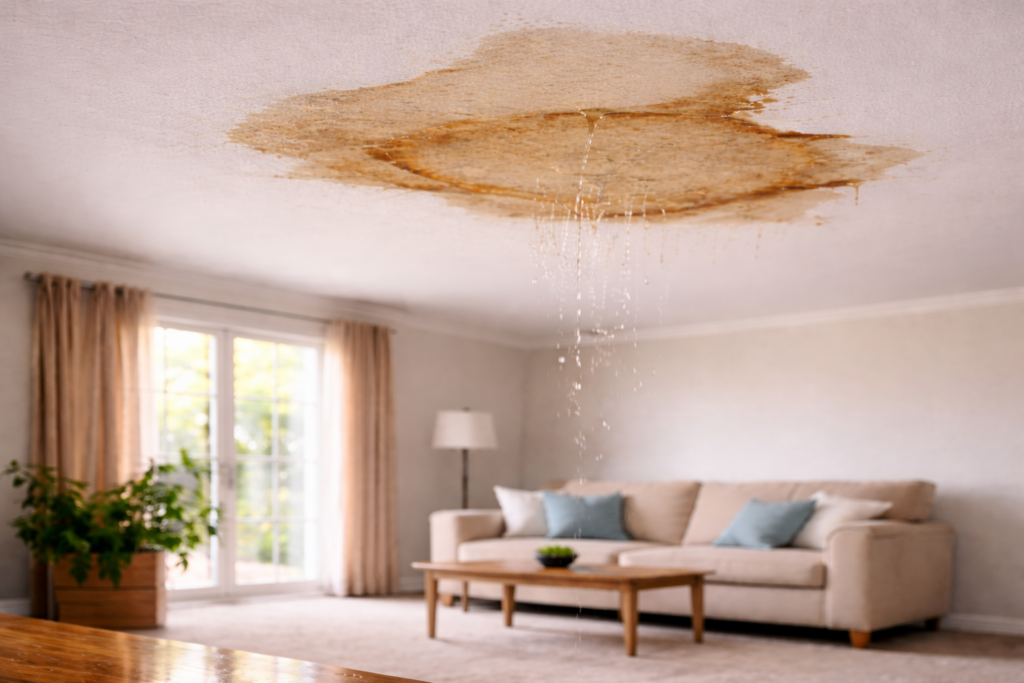
Hail damage often creates openings that allow water to enter the home during future rainstorms. Some leaks may not appear immediately, so it’s important to inspect the interior carefully.
Look for:
- Water stains on ceilings
- Peeling paint
- Damp attic insulation
- Mold or mildew smells
- Dripping water
Pay close attention to the attic if accessible, since leaks often begin there before reaching living spaces.
Document All Damage
Proper documentation is extremely important if you plan to file an insurance claim.
Take clear photos of:
- Roof damage visible from the ground
- Dented gutters and flashing
- Broken windows or siding
- Water stains indoors
- Storm debris around the property
Try to document the date and approximate time of the storm as well. Keeping organized records can help support your insurance claim later.
Schedule a Professional Roof Inspection
One of the biggest mistakes homeowners make after a hailstorm is assuming the roof is fine because there are no visible leaks. In reality, hail damage is often hidden and difficult to detect without professional experience.
A professional roofing inspection can identify:
- Hidden shingle bruising
- Compromised underlayment
- Flashing damage
- Structural concerns
- Areas vulnerable to future leaks
At F.I.T. Roofing & Construction, we provide thorough roof inspections designed to identify both visible and hidden storm damage.
Avoid Delaying Repairs
Even minor hail damage can worsen over time if repairs are delayed. Once shingles lose their protective granules or develop cracks, Texas heat and rain can accelerate roof deterioration.
Untreated hail damage may lead to:
- Roof leaks
- Mold growth
- Rotting decking
- Interior water damage
- Reduced energy efficiency
The sooner damage is addressed, the lower the risk of expensive long-term repairs.
Understand How Insurance Claims Work
Many Texas homeowners insurance policies cover hail damage, but navigating the claims process can feel overwhelming.
What Insurance May Cover
Depending on your policy, coverage may include:
- Roof repairs
- Full roof replacement
- Water damage restoration
- Gutter replacement
- Storm-related structural repairs
Coverage typically depends on the severity of damage and the condition of the roof before the storm.
Steps for Filing a Claim
The insurance process usually includes:
- Documenting damage
- Contacting your insurance company
- Scheduling an adjuster inspection
- Receiving a repair estimate
- Completing approved repairs
Working with an experienced roofing contractor can help simplify the process and ensure damage is properly documented.
Beware of Storm Chasing Contractors
After major Texas hailstorms, many out-of-town roofing companies quickly move into affected neighborhoods offering fast repairs and aggressive sales tactics.
Unfortunately, some of these contractors:
- Perform low-quality work
- Use poor materials
- Disappear after payment
- Offer unrealistic promises
- Lack proper licensing or insurance
Before hiring a roofing contractor:
- Verify local experience
- Check reviews and references
- Confirm insurance coverage
- Ask about warranties
- Avoid high-pressure sales tactics
Choosing a trusted local roofing company helps protect your investment and ensures long-term support.
Consider Impact-Resistant Roofing Materials
If your roof needs replacement after hail damage, upgrading to impact-resistant roofing materials may provide better protection during future storms.
Impact-resistant shingles are designed to:
- Resist hail impacts
- Reduce cracking
- Extend roof lifespan
- Improve storm durability
In some cases, homeowners may even qualify for insurance discounts by upgrading to impact-resistant roofing systems.
Why Texas Homes Are Especially Vulnerable to Hail
Texas experiences some of the most severe hailstorms in the country. The combination of strong thunderstorms, warm temperatures, and unpredictable weather patterns creates ideal conditions for damaging hail.
Certain regions of Texas experience:
- Frequent spring hailstorms
- Large hailstones
- Strong winds
- Heavy rain
- Rapid storm development
Because of this, regular roof inspections are especially important for Texas homeowners.
How to Prevent Future Hail Damage
While no roof is completely storm-proof, homeowners can take steps to reduce future damage risks.
Preventive measures include:
- Scheduling annual roof inspections
- Repairing small issues quickly
- Cleaning gutters regularly
- Improving attic ventilation
- Upgrading roofing materials
- Trimming overhanging tree branches
Proactive maintenance can help extend the lifespan of your roof and improve storm resistance.
Why Homeowners Trust F.I.T. Roofing & Construction
At F.I.T. Roofing & Construction, we understand the challenges Texas homeowners face after severe hailstorms. Our team provides professional roofing solutions designed to restore and protect your home quickly and effectively.
We specialize in:
- Hail damage inspections
- Roof repairs
- Roof replacements
- Insurance claim assistance
- Storm restoration services
- Gutter repair and installation
Our goal is to provide honest assessments, quality craftsmanship, and reliable service every step of the way.
Schedule Your Free Roof Inspection Today
If your home was recently hit by hail, don’t wait for hidden damage to become a costly problem. Early inspections and repairs can save time, money, and stress.
Contact F.I.T. Roofing & Construction today to schedule your free roof inspection and protect your Texas home after hail damage.