
Texas weather is known for being unpredictable, extreme, and unforgiving. From scorching summer heat to hailstorms, heavy rain, strong winds, and sudden temperature shifts, homes across Texas face constant environmental stress. While homeowners often focus on air conditioning, landscaping, or storm preparation, one of the most affected parts of any property is the roof.
Your roof is your home’s first line of defense against the elements. Over time, Texas weather can weaken roofing materials, create leaks, reduce energy efficiency, and lead to expensive repairs if issues go unnoticed. Understanding how each season impacts your roof can help you protect your investment, extend the lifespan of your roofing system, and avoid costly surprises.
At F.I.T. Roofing & Construction, we help Texas homeowners identify, repair, and prevent weather-related roof damage all year long. Here’s how Texas weather affects your roof throughout every season and what you can do to keep it in top condition.
Spring Storms Bring Heavy Rain and Hail
Spring in Texas often marks the beginning of severe weather season. Thunderstorms, hail, strong winds, and torrential rain are common throughout many parts of the state. While these storms may only last a short time, the damage they leave behind can be significant.
Hail Damage
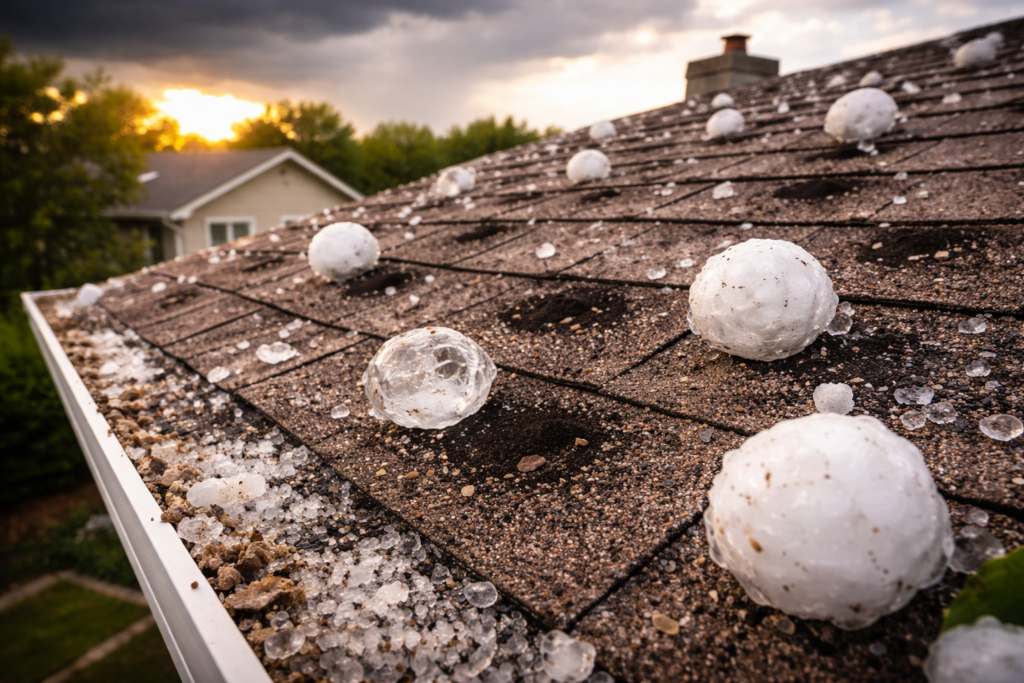
Hail is one of the most destructive weather threats to Texas roofs. Even small hailstones can bruise shingles, crack tiles, loosen granules, and weaken protective roofing layers. Larger hail can create punctures or expose the underlying roofing structure.
Signs of hail damage may include:
- Dented gutters or metal flashing
- Missing shingle granules
- Cracked or broken shingles
- Soft spots on asphalt shingles
- Water stains inside the home
Many homeowners do not notice hail damage immediately because the effects are not always visible from the ground. However, untreated hail damage can shorten your roof’s lifespan and eventually lead to leaks.
Heavy Rainfall
Texas spring storms often produce intense rainfall in a short amount of time. If your roof already has weak spots, damaged flashing, or clogged gutters, heavy rain can quickly lead to water intrusion.
Water damage may affect:
- Ceilings and walls
- Attic insulation
- Structural wood framing
- Electrical systems
- Mold growth inside the home
Routine roof inspections after major storms are essential for identifying problems before they worsen.
Summer Heat Can Wear Down Roofing Materials
Texas summers are brutal, especially in areas where temperatures regularly exceed 100°F. Constant UV exposure and extreme heat place tremendous stress on roofing systems.
Sun Exposure and UV Damage
The sun’s ultraviolet rays slowly break down roofing materials over time. Asphalt shingles can become dry, brittle, and faded after years of direct exposure. This deterioration weakens the roof’s ability to protect your home from moisture and weather.
Common signs of heat-related roof damage include:
- Curling shingles
- Cracking or blistering
- Fading roof color
- Loose roofing materials
- Premature aging
Roofs in Texas often age faster than roofs in milder climates due to the intense sun exposure.
Thermal Expansion and Contraction
Texas roofs experience dramatic temperature changes between daytime heat and cooler nighttime temperatures. Roofing materials expand during the heat of the day and contract at night.
Over time, this repeated movement can:
- Loosen nails and fasteners
- Crack flashing seals
- Create gaps around vents and chimneys
- Increase the risk of leaks
Proper installation and quality roofing materials are critical for handling Texas heat cycles effectively.
Increased Cooling Costs
An aging or poorly ventilated roof can trap heat inside the attic, making your HVAC system work harder. This leads to higher energy bills during summer months.
A properly ventilated roofing system helps:
- Reduce attic temperatures
- Improve energy efficiency
- Extend roof lifespan
- Lower cooling costs
Many Texas homeowners upgrade ventilation systems during roof replacements to improve overall home performance.
Fall Is the Best Time for Roof Maintenance
While Texas weather may become milder during fall, this season is one of the most important times for roof maintenance and preparation.
Cleaning Gutters and Drainage Systems
Leaves, debris, and dirt can accumulate in gutters throughout the year. Clogged gutters prevent proper drainage, allowing water to pool near the roofline or foundation.
This can lead to:
- Roof leaks
- Rotting fascia boards
- Foundation damage
- Mold growth
- Water overflow during storms
Cleaning gutters before winter storms arrive helps protect your roofing system and home exterior.
Preparing for Winter Weather
Although Texas winters are generally milder than northern states, sudden freezes, ice storms, and strong winds can still impact roofs.
Fall is the ideal time to:
- Replace damaged shingles
- Seal flashing gaps
- Inspect attic insulation
- Check ventilation systems
- Schedule professional roof inspections
Preventive maintenance can significantly reduce the risk of winter-related roofing problems.
Winter Weather Still Impacts Texas Roofs
Many homeowners underestimate the effects winter can have on roofs in Texas. While snow may not be frequent, freezing temperatures and winter storms can still cause damage.
Freeze and Thaw Cycles
Water that enters small cracks or gaps in the roof can freeze overnight. As water freezes, it expands, widening cracks and worsening existing damage.
Repeated freeze-thaw cycles can:
- Crack shingles
- Damage flashing
- Create leaks
- Weaken roofing materials
Even minor roof issues can become major problems during winter weather conditions.
Wind Damage
Texas winter storms often bring strong winds that can lift shingles, loosen flashing, or damage roof edges. Once shingles are lifted, water can easily penetrate beneath the roofing system.
After strong wind events, homeowners should inspect for:
- Missing shingles
- Debris on the roof
- Bent flashing
- Loose gutters
Addressing wind damage quickly helps prevent future leaks and structural issues.
Why Regular Roof Inspections Matter in Texas
Because Texas weather changes so rapidly throughout the year, routine roof inspections are essential. Small issues caused by heat, hail, wind, or rain can quickly become expensive repairs if ignored.
Professional roof inspections help identify:
- Hidden storm damage
- Weak roofing materials
- Flashing failures
- Ventilation problems
- Early signs of leaks
At F.I.T. Roofing & Construction, we recommend scheduling roof inspections at least once per year and after any major storm event.
Protect Your Roof With F.I.T. Roofing & Construction
Texas weather can be harsh on roofing systems, but proactive maintenance and professional inspections can help extend the life of your roof and protect your home year-round.
At F.I.T. Roofing & Construction, we specialize in:
- Roof inspections
- Roof repairs
- Roof replacements
- Storm damage restoration
- Gutter installation
- Preventive roofing maintenance
Our experienced team understands the unique challenges Texas homeowners face and delivers roofing solutions built for long-term durability, performance, and protection.
Whether your roof has suffered storm damage or you simply want peace of mind before the next season arrives, our team is ready to help.
Schedule Your Free Roof Inspection Today
Don’t wait until minor roofing issues turn into costly damage. Protect your home with expert roofing services designed specifically for Texas weather conditions.
Contact F.I.T. Roofing & Construction today to schedule your free roof inspection and keep your home protected year-round.